

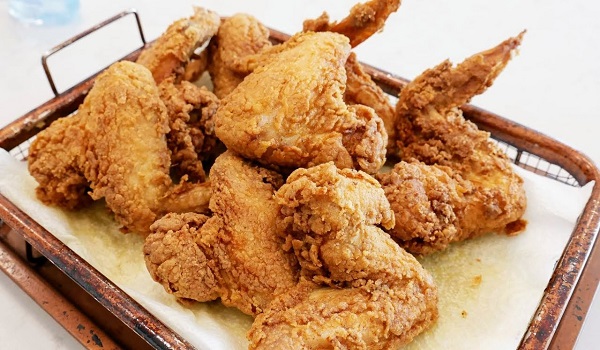
India’s quick service restaurant (QSR) industry is in the grip of a fried chicken frenzy, driven by skyrocketing demand for chicken wings among Gen Z and millennials. The sudden surge in preference for crispy, snackable wings is reshaping menus, straining supply chains, and forcing brands to rethink regional allocation strategies.
Leading the charge is Domino’s India, operated by Jubilant FoodWorks, which has been overwhelmed by the popularity of its newly launched fried chicken menu. CEO Sameer Khetarpal revealed during a recent earnings call that the company is now rationing chicken wings due to acute shortages and is prioritising supply in southern and eastern India.
“I spend every Monday morning with my sourcing team to find enough chicken wings. We’ve had to suspend sales in North and West India to meet soaring demand in the South and East,” Khetarpal said, calling the new category a potential ₹1,000 crore vertical for the company.
A Generational Shift in Preferences
The appeal of chicken wings lies in their snackable, easy-to-share format—perfect for binge-watching sessions, house parties, and group orders. Wings are low-commitment and fun to eat. They perfectly align with India’s growing ‘snackification’ trend,” said Kapil Grover, Group Chief Marketing and Digital Officer at Restaurant Brands Asia, which runs Burger King India.
Pop culture influences, particularly from the West and South Korea, have also played a role. The trend of pairing fried chicken with beer or gin, along with the growing popularity of Korean-style wings through K-dramas and K-pop, has captivated younger Indian consumers.
Supply Chain Pressures
While overall poultry supply in India remains steady, the industry is struggling to keep up with specific demand for wings, as each bird only yields two. This supply-demand mismatch is challenging for restaurant chains that operate on whole-bird pricing and sourcing models.
To cope, brands are adjusting vendor contracts and reallocating supply to high-demand regions. “Wings are still considered a bit of an elite indulgence in India,” said Kabir Jeet Singh, founder of Burger Singh. “A standard portion requires at least six pieces, which makes pricing and profitability tricky.”
Market Outlook
According to Euromonitor International, India’s chicken-centric restaurant market—including dine-ins and takeaways—was valued at ₹6,750 crore in 2024. It is projected to grow at a CAGR of 9% through 2029, with fried chicken and wings expected to play a pivotal role in that growth.
Even McDonald’s India (West and South), which entered the fried chicken category during the pandemic, reports strong growth, particularly in southern states. “It’s significantly boosted unit-level sales in those markets,” said Arvind RP, Chief Marketing Officer.
What Lies Ahead
Industry experts agree that the chicken wing craze reflects a deeper transformation in India’s urban food culture—toward shareable, global, and indulgent formats. While current shortages are not viewed as a crisis, they have upended traditional demand forecasts and procurement models.
As QSRs scramble to meet this new wave of consumer demand, the humble chicken wing has become a hot commodity—and a symbol of how India’s young consumers are reshaping the future of fast food.