

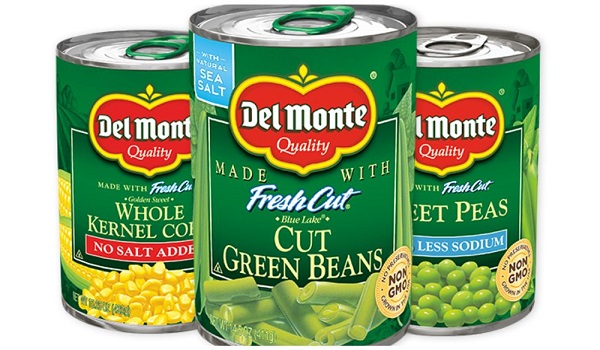
Del Monte Foods, the iconic 139-year-old canned food giant, has filed for bankruptcy and announced its intention to sell the company in a bid to revive its struggling business amid mounting financial and market pressures.
In a statement, CEO Greg Longstreet cited a “dynamic macroeconomic environment”. He emphasized that a sale is “the most effective way to accelerate our turnaround and create a stronger and enduring Del Monte Foods.”
Known for its household staples like canned fruits and vegetables, Contadina tomato products, College Inn broths, and Joyba Bubble Tea, Del Monte has become the latest casualty of shifting consumer habits. The company has struggled with declining demand for canned goods as more shoppers shift toward fresh, healthier alternatives and private-label products.
External Pressures Mount
Del Monte has also faced headwinds from global economic challenges, including rising tariffs on steel and aluminum—key materials for canned packaging—which have further eroded margins. The seasonal nature of its operations has added to the burden, leading to high warehousing costs as the company stockpiles inventory during off-peak periods.
Over the past two years, Del Monte has shut down several facilities, most recently a fruit processing plant in Washington State, to streamline operations. Despite these efforts, the company concluded that more drastic measures were necessary.
Debt Burden and Liquidity Crunch
Del Monte’s financial troubles are compounded by substantial debt tied to its acquisition by parent company Del Monte Pacific Limited (DMPL), which was financed largely through borrowed capital. According to Bloomberg, rising interest costs have outpaced the company’s earnings before interest, taxes, depreciation, and amortization (EBITDA), straining liquidity and pushing the company toward bankruptcy.
The filing revealed Del Monte holds liabilities between $1 billion and $10 billion and has up to 25,000 creditors. Still, Longstreet maintained an optimistic outlook: “With an improved capital structure, enhanced financial position, and new ownership, we will be better positioned for long-term success.”
To keep operations afloat during the sale process, the company has secured $912.5 million in new financing. This funding, alongside cash from ongoing operations, is expected to sustain day-to-day activities, including product deliveries to retail partners.
Not Alone in Struggle
Del Monte is not the only consumer packaged goods (CPG) brand grappling with inflationary pressures and evolving consumer preferences. Major food companies like PepsiCo, Conagra Brands, Post Holdings, and J.M. Smucker have also announced job cuts and plant closures this year in response to similar challenges.
Despite its bankruptcy filing, Del Monte insists that it remains committed to meeting customer needs during this transition. The company continues to explore strategic alternatives and is actively seeking a buyer who can revitalize the legacy brand and guide it through a rapidly transforming food landscape.