

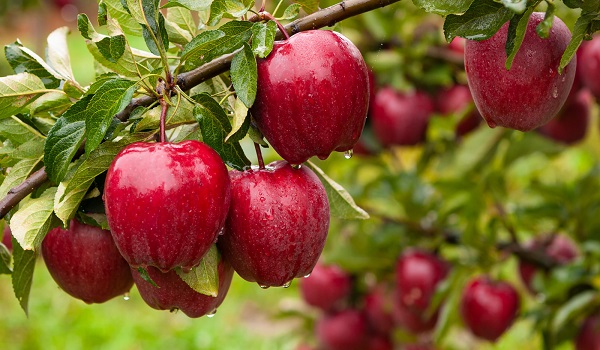
A fruit basket once brimming with international options is now caught in the crossfire of geopolitics. As India’s apple harvest season approaches, diplomatic tensions and border closures are poised to reshape the market, with ripple effects expected to be felt by both traders and consumers.
The Attari-Wagah border closure, in place since May 1, has halted imports from Afghanistan — once a key supplier of low-cost apples to India. Simultaneously, importers are shying away from Turkish apples due to Ankara’s perceived tilt toward Islamabad during recent India-Pakistan tensions. Iran, another major source, is also facing reduced demand due to the volatile situation in the region.
Together, these disruptions are likely to drive up prices for domestic apples from Kashmir and Himachal Pradesh, whose harvest peaks between August and October. “We’re already seeing a sense of caution among importers,” says Pawan Chhabra of Adarsh Fruits, a wholesaler at Delhi’s Azadpur Mandi. “Afghan apples sold at ₹40–65/kg are now off the table, and Kashmir apples may breach ₹90/kg this season.”
A Supply Crunch in the Making
India produces around 2.4 million metric tonnes of apples annually, largely from Jammu & Kashmir and Himachal Pradesh. But with domestic demand exceeding this, imports have long been essential. In FY24, India imported 340,000 tonnes of apples worth nearly $450 million — a 12% jump in value year-on-year.
Turkey topped the supplier list with $97 million in exports, followed by Iran ($90 million) and Afghanistan ($50 million). These three countries accounted for the bulk of India’s mid-priced apple segment. But now, all three are on shaky ground.
“Importing from Iran is no longer easy,” says a Delhi-based trader. “Many of us operate as commission agents, and the risks — from financial instability to potential sanctions — are too high.”
Premium Apples Remain Unaffected — For Now
The high-end market, however, remains insulated. Apples from New Zealand and the US — considered premium imports — continue to arrive. In Delhi’s Azadpur market, New Zealand apples are selling at ₹4,500–4,700 per 18 kg box, while Washington apples fetch around ₹4,200 for a 20 kg box. In retail, prices easily cross ₹300 per kg.
But even this segment may see a shake-up. India and the US are currently negotiating a bilateral trade agreement, and if tariff concessions include apples, Washington varieties could directly challenge India’s premium domestic brands. Apple imports from the US already surged 58% last year, touching $33 million.
Apple Traders Watch and Wait
For now, apple merchants are in a wait-and-watch mode, stocking up on domestic varieties in anticipation of reduced imports. “Turkish apples are being avoided because of public sentiment,” notes another trader. “We can’t afford backlash — political or consumer-driven.”
India’s appetite for apples continues to grow. But in 2025, it may not be just about taste or health — it may depend on where the fruit comes from, and which borders remain open.