

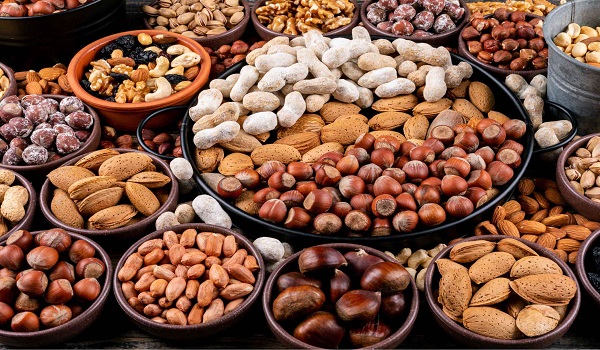
A wave of uncertainty over the proposed India-US trade agreement has prompted Indian dry fruit importers to delay customs clearance of walnut, almond, and other nut consignments from the United States. Industry insiders say importers are hoping to benefit from a possible sharp reduction—potentially up to 50%—in import duties under the new deal.
The move, aimed at avoiding financial losses from clearing goods at the current higher duty rates, has led many importers to postpone filing their bill of entry, even at the cost of paying a penalty for delayed clearance. “The penalty is marginal compared to the potential savings if the duties are halved,” said Ravindra Mehta, founding member of the Nuts and Dry Fruits Council of India (NDFC[I]).
India currently imposes a 100% tariff on US walnuts—both kernels and those in shells—and levies a specific duty of ₹35 per kg on almonds in shells and ₹100 per kg on almond kernels. These high tariffs have often been cited by former US President Donald Trump in his criticism of India’s trade barriers.
The anticipation of reduced duties comes at a time when the Indian dry fruit supply chain is already under strain. Imports from Afghanistan—another key supplier—have been disrupted due to the closure of the Wagah border following Operation Sindoor strikes on terror infrastructure in Pakistan and Pakistan-occupied Kashmir. The halt in Afghan trade has squeezed supply further, raising concerns among traders and retailers.
“Two commodities that are most likely to see duty reductions are walnuts and almonds,” Mehta added, highlighting the significance of the ongoing negotiations.
If finalized, the India-US trade agreement could bring relief to the dry fruit trade and consumers alike, potentially lowering prices across the board. However, until a formal announcement is made, uncertainty is expected to linger, and supply disruptions could worsen, especially ahead of the festive season when demand typically peaks.
With stalled clearances, rising penalties, and delayed shipments, stakeholders across the dry fruit value chain are watching closely for the next move in the high-stakes bilateral negotiations.