

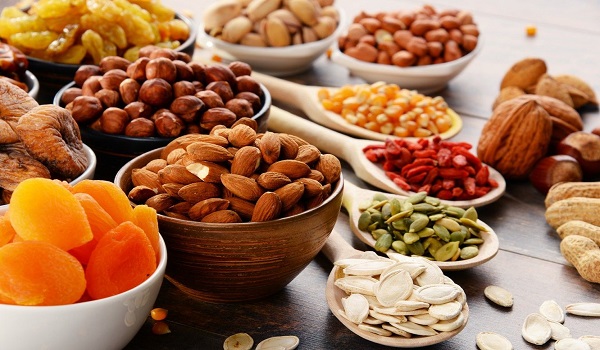
Festive gifting, long synonymous with boxes of premium nuts and dry fruits, is set to pinch consumer pockets this year as prices soar across categories. Industry data show that walnuts and raisins have witnessed the steepest increase, with rates surging by nearly 50% year-over-year, while cashews and pistachios are 15–20% more expensive.
The surge is being attributed to a perfect storm of global and domestic supply disruptions. Exports from Chile have declined, US walnut production has decreased, and imports from Afghanistan have been impacted by the Wagah border closure, resulting in a squeeze on walnut availability in India. Raisins, on the other hand, are dearer owing to a sharp dip in local output.
“Walnuts have become costlier as origin prices in the US and Chile are up 50–60%. In India, the impact is sharper because we levy 100% import duty on walnuts,” explained Gunjan Jain, president of the Dried Fruits and Nuts Council (DFNC-India).
Cashew demand, meanwhile, has forced importers to stock up. “Raw cashew imports may touch 13–14 lakh tonnes in 2025, up from the usual 11–12 lakh tonnes, as shortages in April–May pushed bulk buying during June–August,” said Bola Rahul Kamath, president of the All India Cashew Association.
Industry executives point out that while festive demand remains resilient, a GST cut from 12% to 5% on nuts and dry fruits could help soften consumer prices by 5–7%. Currently, GST is levied at 12% on most nuts, barring some categories like raisins and locally produced walnuts and cashews.
“The sector is dominated by small and MSME units employing around 5 lakh people. If GST rates on nuts, dry fruits, and seeds are reduced to 5%, the benefit can directly be passed on to consumers,” Jain noted, following a representation to the GST Council this week.
India, one of the world’s fastest-growing nut markets, imports raw almonds, walnuts, and cashews and processes them domestically. Annual consumption of nuts and dry fruits is expanding at 5–6%, propelled by rising health consciousness since the pandemic.
But for now, the “healthy” indulgence is turning into an expensive luxury. As households prepare their festive hampers, the crunch in supply chains means that premium dry fruit boxes will be as much a symbol of status as of celebration this year.