

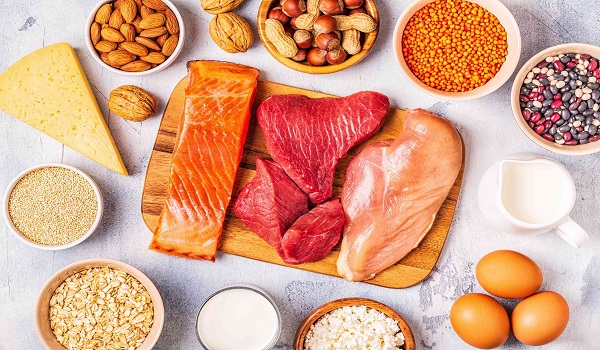
Europe’s dairy and poultry companies are reaping the rewards of the global shift toward high-protein diets, even as traditional snack, chocolate, and alcohol makers battle weakening demand.
British meat producer Cranswick reported strong sales in its premium ranges, while Swiss dairy major Emmi raised its guidance, citing accelerating demand for “healthy nutrition, naturalness, and high-quality proteins.” Ireland’s Glanbia also lifted its outlook, with protein powders, functional snacks, and vitamins seeing double-digit growth.
“Meat is very much back on trend from a health perspective,” said Jim Brisby, Chief Commercial Officer at Cranswick, highlighting sustained demand for protein despite food inflation. Analysts note that the high-protein category is expanding at over 20% annually.
The upbeat outlook for protein-rich foods stands in contrast with the struggles of European giants like Nestlé, Heineken, and Diageo, which have all reported falling volumes as consumers cut back on indulgences. Nestlé shares are down 14% this year, Heineken 17%, and Diageo nearly 8%, while Glanbia stock is up 40%.
The rise of anti-obesity drugs (GLP-1) is compounding the pressure. A Bloomberg Intelligence survey found 30% of users reduced their intake of sweets, snacks, and alcohol. “If a big portion of revenue faces a headwind of 20–30% over the next decade, it will be very difficult to offset,” noted strategist Laurent Douillet.
Younger consumers’ shift toward healthier and more sober lifestyles is reinforcing the trend. Analysts say dairy and yogurt—once stagnating—are enjoying a reboot, while alcohol and confectionery face long-term decline.
“A shift toward protein-based diets for quite a few years is now accelerating,” said Jon Cox of Kepler Cheuvreux. “That is having a major impact on categories from meat to yogurt, giving dairy and poultry producers a new lease of life.”