

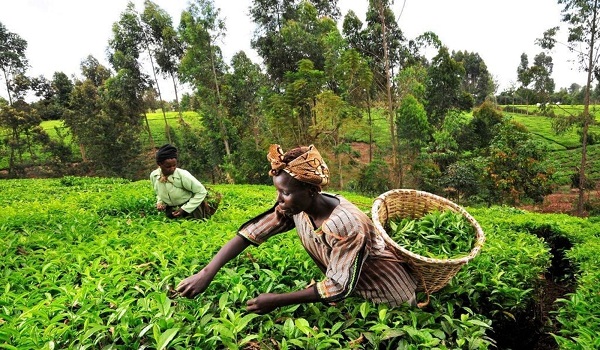
The Parliamentary Standing Committee on Commerce has raised concerns over a sharp surge in cheap tea imports from Kenya and Nepal, urging the government to tighten labelling rules and safeguard the reputation of India-origin teas.
In a letter to the government late last month, the committee asked the Tea Board of India to make labelling and source declaration mandatory for all re-exported and blended teas. It also pressed for customs-linked surveillance at ports, regular market audits, and retail-level sample testing to maintain consumer trust and protect the global image of Indian teas.
According to DGFT data, tea imports from Kenya and Nepal jumped 57.41% year-on-year to 19.61 million kg during January–June 2025. Trade sources revealed that teas from Kenya, priced at just $1–1.5 per kg, are being rerouted into the domestic market despite being allowed only for re-export with value addition.
Concerns Over Darjeeling’s GI Tag
The panel also flagged the growing practice of mixing low-quality Nepalese tea with Geographical Indication (GI) tagged Darjeeling tea, warning it was eroding the brand’s premium image. It recommended strict penalties for violations and called for a review of the Indo-Nepal trade agreement, which currently allows Nepalese tea to enter India duty-free, while India’s exports to Nepal face a 40% duty.
Industry Voices
Industry insiders echoed the concerns. Arijit Raha, Secretary General of the Indian Tea Association, said unchecked imports risk distorting the domestic market.
“With no checks and balances in place, we cannot rule out these cheap teas entering domestic consumption. We have urged the Tea Board to act. A minimum import price should be introduced to shield local producers,” Raha said.
The committee’s intervention comes at a time when India’s tea industry — long a symbol of heritage and export strength — is grappling with price pressures, quality concerns, and rising competition from cheaper imports.