

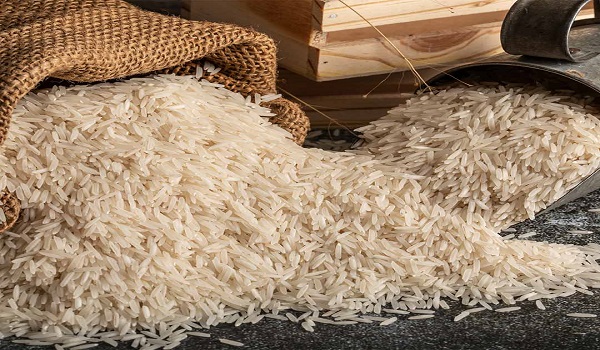
Indian rice exporters were hit by sharp market turbulence on Tuesday after U.S. President Donald Trump hinted at imposing fresh tariffs on Indian rice imports, calling current shipments “dumping” and questioning why India is “allowed” to send rice to the U.S. without additional duties.
The comments—made during a White House meeting—sent shares of leading rice companies including Kohinoor Foods, LT Foods, KRBL and Chaman Lal Setia Exports tumbling, as investors anticipated potential disruption in the American market.
Trump’s remarks come days after the launch of a $12-billion support package for American farmers, who have long alleged that imports from India, Vietnam and Thailand depress local prices. The U.S. president suggested that another round of tariffs “could be on the table,” escalating uncertainty ahead of trade talks between New Delhi and Washington scheduled for December 10–11.
The U.S. currently accounts for less than 5% of India’s basmati exports, making it a relatively small market but one with symbolic importance due to its premium consumer base and strong pricing power. India’s basmati shipments to the U.S. could face order cancellations and delays if fresh duties are introduced.
The talks in New Delhi will be led by U.S. Deputy Ambassador for Trade Rick Switzer. Progress on a bilateral trade agreement has slowed in recent months following a series of tariff measures announced by Washington—starting with a 25% levy on Indian goods from August 1, followed by another 25% hike linked to India’s continued purchase of Russian oil. While the U.S. recently cut tariffs on several Indian food items, basmati rice was excluded from the relief.
Despite the jittery sentiment, India’s rice sector remains structurally strong. The country exported nearly 19.86 million tonnes of rice in FY 2024–25 worth $12.95 billion, retaining its position as the world’s largest rice exporter with a 40% global market share. Strong monsoons, improved yields and removal of curbs on non-basmati shipments have boosted volumes across geographies.
India exported 60.65 lakh tonnes of basmati rice last fiscal, primarily to Saudi Arabia, Iraq, UAE and Iran. Analysts say this diversified market base allows India to redirect supplies if the U.S. imposes new tariffs.
However, the short-term risks remain. Exporters could face volatility as investors react to Trump’s comments, while competitors—especially Pakistan—may attempt to capture U.S. market share if Indian rice becomes price-disadvantaged.
Industry watchers say the situation also presents an opportunity: to accelerate diversification into emerging markets in Africa, Southeast Asia and Latin America. According to the Indian Rice Exporters Federation, India could tap an additional ₹1.17 lakh crore in potential exports across 30 high-opportunity destinations currently dominated by rival suppliers.
While Trump’s basmati remarks triggered immediate market turbulence, experts believe the long-term impact on India’s rice export engine will be limited. But the U.S. market remains strategically important—and the episode underscores the need for exporters to adapt quickly to shifting trade winds.