

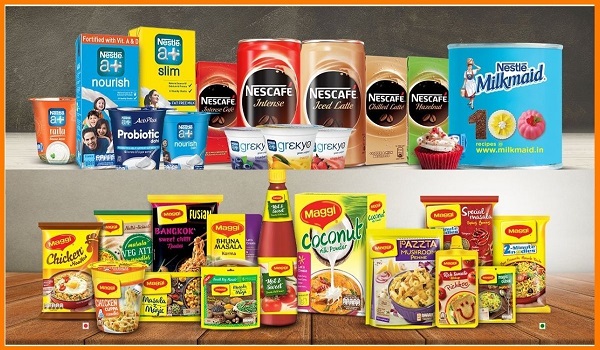
Nestlé India is gearing up for a major expansion in rural markets—aiming to lift rural contribution from the current 15% to levels seen by other FMCG players—while simultaneously accelerating premiumisation in urban categories such as chocolates and coffee.
Chairman and managing director Manish Tiwary, in his first media interaction since taking charge, said rural India represents one of the company’s largest untapped opportunities. “Our rural share is at 15% versus the 40–50% average for FMCG. Rural India is growing much faster than urban—why shouldn’t Nestlé participate more meaningfully in that growth?” he told ET.
Tiwary said affordable packs of flagship brands like Maggi, Munch, KitKat, Nescafé, and Everyday perform strongly in villages, supported by rising incomes and aspirations. He added that Nestlé is “very open” to launching new variants of its popular brands to deepen rural penetration.
Traditionally, Nestlé India’s business has been heavily urban-led, driven by strongholds in noodles, coffee, infant nutrition and confectionery. But with rural markets outpacing city growth for seven straight quarters—clocking 7.7% volume growth in the September quarter versus 3.7% in urban areas—the company now sees rural India as its next major growth driver.
Tiwary said the consumption environment has improved with commodities stabilising after two years of historic highs, supported by GST reforms announced by the government. “We see markets picking up. When the vectors are aligned, growth will accelerate,” he said.
Nestlé India reported revenue of ₹5,644 crore in the July–September quarter, up 11% year-on-year, driven largely by higher volumes. India is already the Swiss giant’s largest market for Maggi noodles and its second-largest for KitKat.
Alongside the rural push, premiumisation will remain central to the urban strategy. “It’s up to brands to capitalise on consumer sentiment and structural tailwinds,” Tiwary said, adding that categories like coffee and chocolate offer substantial headroom for value-led growth.
Addressing intensifying competition from agile regional players, he noted: “Competition is a new reality. Large companies must stay flexible and responsive or risk losing relevance.”
On Nestlé SA’s global restructuring—where the parent plans to cut 16,000 jobs—Tiwary reiterated that India remains a market with “immense growth opportunities,” and is poised to break into the company’s top five markets globally in the coming years.