

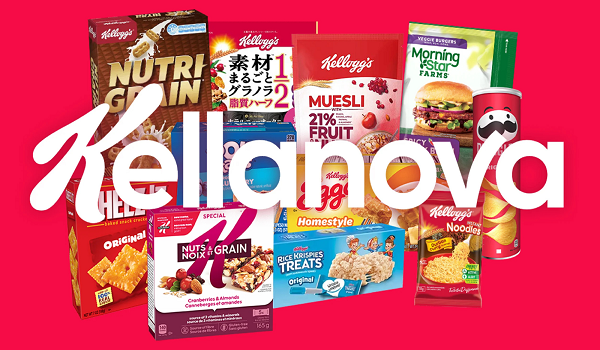
Kellanova India reported a recovery in its financial performance in FY25, supported by stronger traction in snacks and nutrition categories, as the company continues to reposition itself from a breakfast-focused player to a broader packaged foods company in the Indian market.
According to regulatory filings, the cereal maker’s revenue rose 8% year-on-year to ₹1,723 crore in FY25, while net profit surged 33% to ₹129 crore. The rebound follows a subdued FY24, when profit declined 19% amid one of the slowest sales growth phases for the US-based food company in nearly a decade.
The improved performance reflects Kellanova’s strategic focus on expanding beyond traditional breakfast cereals, a category that remains niche in India. The company has increased investments in nutrition-led offerings such as muesli, strengthened distribution of global snack brand Pringles, and continued to scale brands like Chocos. Pricing actions, including passing on higher cocoa costs to consumers, also helped sustain profitability despite a competitive pricing environment.
Meanwhile, global confectionery major Mars has appointed Prashant Peres to lead its India and South Asia business following its acquisition of Kellanova. Peres, who currently heads the former Kellanova business in India, will take over as General Manager for Mars Snacking in India and South Asia from January, marking an early step in integrating the two businesses.
Industry observers note that while newer categories are driving growth, packaged breakfast cereals continue to struggle to expand beyond urban, higher-income households. Nearly three decades after Kellogg enters into India, the breakfast cereal market remains relatively small, estimated at ₹4,000–5,000 crore. Kellanova, which commands about 70% of the category, has indicated that future growth is likely to be driven by smaller, affordable packs and sustained category-building efforts.
Mars, known globally for brands such as Snickers, M&M’s and Galaxy, has been expanding its portfolio beyond chocolates to capture faster-growing snack segments. India, executives say, offers significant long-term opportunity, though success will depend on consistent execution, portfolio mix and operational discipline in a highly fragmented and competitive market.