

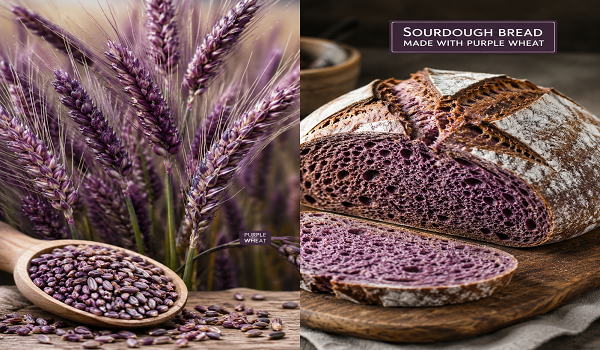
A newly developed variety of purple wheat from Oklahoma State University is drawing global attention for its enhanced nutritional profile and potential health benefits. Developed by wheat breeder and professor Brett Carver, the new variety, called OSU-P92, contains significantly higher levels of anthocyanins compared to conventional wheat. Anthocyanins are natural antioxidant compounds responsible for the purple, blue and red shades found in foods like blueberries, blackberries and purple cabbage.
The innovation comes at a time when consumers are increasingly looking for foods that combine taste with wellness. Across the global bakery and snack industry, demand for functional grains and naturally nutritious ingredients is growing rapidly. Purple wheat fits directly into this trend by offering the nutritional benefits of whole grains along with naturally occurring antioxidants, without the need for artificial additives or fortification.
According to researchers, OSU-P92 contains nearly three times more anthocyanins than traditional hard red winter wheat. These antioxidants help protect the body against oxidative stress and inflammation, which are often linked to lifestyle-related health conditions. Studies suggest that anthocyanin-rich foods may support heart health, help manage blood sugar levels and contribute to better cellular protection.
The grain also offers the natural advantages of whole wheat, including dietary fiber that supports digestion and gut health. Experts believe that incorporating antioxidant-rich whole grains into everyday diets may contribute to improved overall wellness and immunity. However, nutritionists also emphasize that purple wheat should complement—not replace—other nutrient-rich foods such as fruits and vegetables.
Another factor making purple wheat attractive is its clean-label appeal. Modern consumers are increasingly drawn toward products made with natural ingredients and visible nutritional benefits. Since the purple tint comes naturally from anthocyanins present in the bran layer, manufacturers can position products made with purple wheat as naturally functional and minimally processed.
Beyond nutrition, researchers have also focused on improving flavor and baking performance. Traditional whole wheat products are sometimes criticized for their slightly bitter taste, but the new purple wheat has reportedly been developed to offer a smoother and richer flavor profile. This makes it suitable for a wide range of bakery and snack applications including artisan breads, tortillas, cookies, crackers, breakfast cereals, pizza bases, snack bars and even pasta products.
The variety is already generating commercial interest. Specialty mills and food brands in the United States have begun experimenting with purple wheat flour in breads and tortillas, while larger food manufacturers are reportedly exploring its use in future health-focused product lines.
Although purple wheat does not contain antioxidant levels as high as berries or deeply pigmented fruits, experts believe its significance lies in bringing additional nutritional value to staple foods consumed daily. Instead of changing eating habits dramatically, consumers may soon be able to obtain extra antioxidants simply through their regular bread or bakery products.
As awareness around preventive nutrition and functional foods continues to rise, purple wheat could represent the next major evolution in healthier grains and value-added bakery innovation.
Key Benefits of Purple Wheat
· Rich in anthocyanins, natural antioxidants linked to reduced inflammation
· Contains nearly 3 times more antioxidants than conventional red wheat
· May support heart health and improved blood circulation
· Helps in managing blood sugar levels due to whole-grain nutrition
· Provides better cellular protection against oxidative stress
· High in dietary fiber, supporting digestion and gut health
· Offers a clean-label appeal with natural color and nutrition
· Suitable for healthier bakery applications like breads, tortillas, crackers and snack bars
· Combines improved taste with whole-grain benefits
· Supports the growing demand for functional and wellness-focused foods