

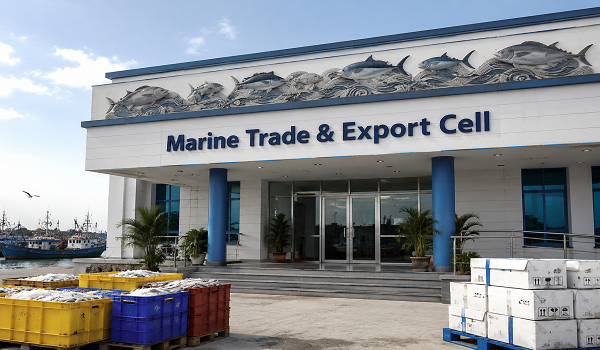
India’s seafood sector has a big opportunity in the world market. Products such as shrimp, ribbon fish, croaker, pomfret, Indian mackerel, seer fish, tuna, squid and cuttlefish are exported from India to many countries. Demand is growing, but many small exporters, fishermen groups and seafood businesses face one common problem: money gets blocked for a long time.
In seafood export, expenses start long before payment comes. Fish and seafood have to be bought, cleaned, processed, packed, frozen, transported and shipped. Ice, labour, cold storage, packaging and transport all need immediate payment. But money from foreign buyers often comes after 60 to 90 days. This creates a cash problem for small businesses.
This is where invoice financing can help.
Invoice financing simply means getting money against a confirmed bill. Once an exporter sends seafood to a buyer and raises an invoice, a finance provider can give a large part of that invoice amount in advance. The exporter does not have to wait for two or three months to receive payment.
This money can be used to buy the next catch, pay fishermen and workers, manage cold storage, arrange transport and continue business smoothly. For products like shrimp, squid, cuttlefish and frozen fish, regular cash flow is very important because the supply chain cannot stop.
Earlier, many small exporters found it difficult to get loans because banks often asked for property, collateral, long financial records and strong banking history. Many genuine seafood businesses may not have all these documents, even if their trade is good.
Now, trade data is making finance easier. Instead of looking only at property or collateral, finance providers can study actual business activity. They can check shipment records, buyer payment history, order frequency and export performance. This helps them understand whether the business is reliable.
This is useful for seafood MSMEs because good trade performance can become their strength. A business that regularly exports and receives payments on time can get better access to working capital.
As India moves from raw seafood exports to processed and value-added products, the need for finance will increase. Ready-to-cook shrimp, frozen fish fillets, cleaned squid, cuttlefish products, and packaged seafood need more time, better machines, skilled workers and strong quality control.
Continuous cash flow is very important in seafood because marine products are perishable. Any delay in money can affect buying, processing, storage and delivery. Timely finance can help fishermen, processors and exporters handle bigger orders, improve quality and reach more international markets.
For India’s seafood sector, trade-based finance can become an important support system for future growth.