

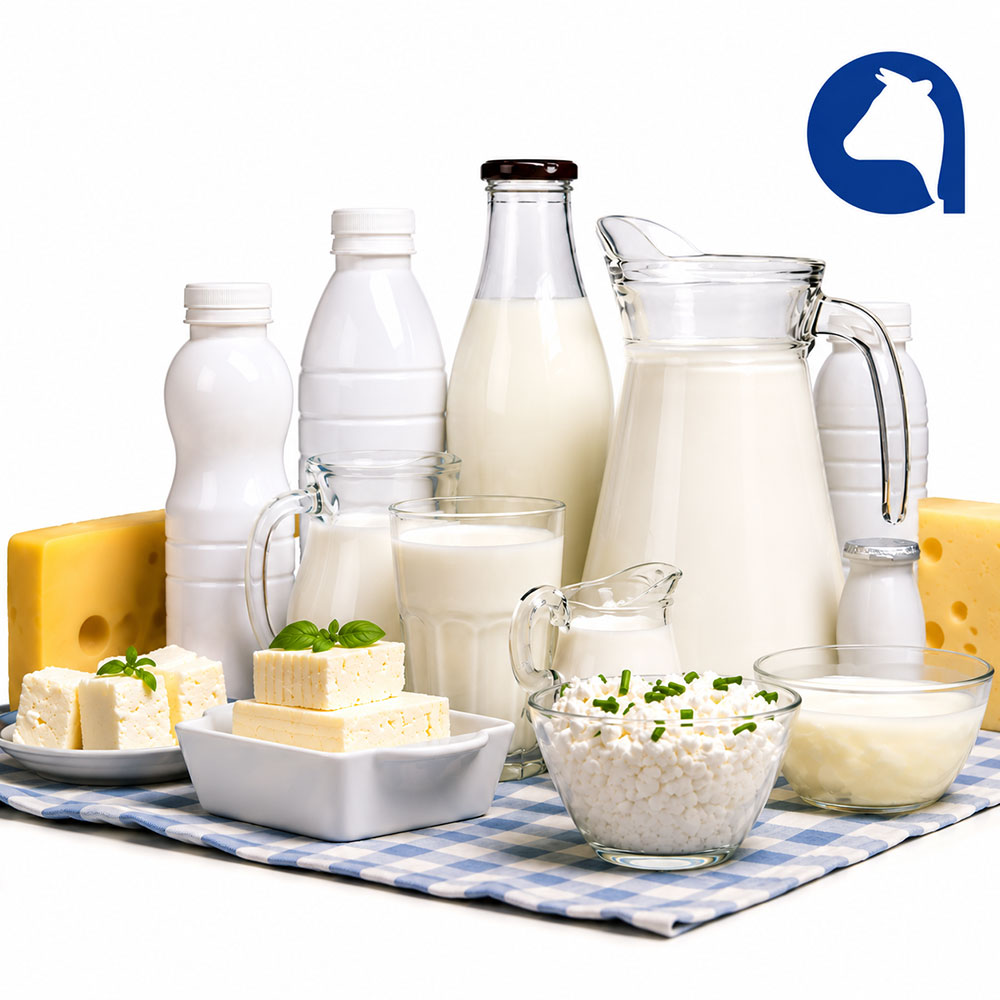
India’s dairy industry is steadily shifting from low-margin liquid milk towards higher-value categories such as ghee, curd, buttermilk, cheese, yoghurt and ice cream, as processors look to improve profitability and respond to changing consumer demand.
The transition is being supported by the expansion of modern retail, better cold-chain infrastructure and growing demand for convenient, protein-rich and premium dairy products.
According to market estimates cited by DairyNews.today, the organised value-added dairy products market, covering categories such as ghee, packaged curd, buttermilk and lassi, has expanded significantly in recent years and is expected to continue growing as consumers increasingly move towards branded and packaged products.
The economics of dairy processing is also encouraging companies to diversify beyond pouch milk.
Liquid milk generally offers relatively thin margins because of procurement costs, pricing pressures and intense competition. Value-added dairy products, on the other hand, can generate considerably better returns depending on the category, brand positioning and distribution model.
Products such as curd, buttermilk and other cultured dairy products typically offer better margins than fluid milk, while premium categories such as cheese, ice cream and specialised dairy products can provide significantly higher profitability.
Major dairy companies are therefore expanding their value-added portfolios.
Mother Dairy has been increasing the contribution of value-added products to its overall business, while Gujarat Cooperative Milk Marketing Federation, which markets the Amul brand, continues to broaden its portfolio across categories including cheese, yoghurt, beverages, ice cream and specialised milk products.
Private dairy companies are following a similar strategy.
Hatsun Agro Product has built an extensive direct retail network that helps it market a wide range of dairy products while maintaining greater control over distribution and consumer access.
Companies such as Milky Mist have also built their business largely around value-added dairy rather than relying heavily on commoditised liquid milk.
The growing focus on health and nutrition is creating another opportunity for dairy processors.
Demand for protein-rich foods and beverages is encouraging companies to introduce products positioned around higher protein, functional nutrition and convenience. Dairy companies are increasingly exploring products such as high-protein milk, yoghurt, beverages and other nutrition-focused offerings.
This shift is gradually changing the way dairy companies position themselves—from traditional milk processors to broader food and nutrition businesses.
For dairy processors, value addition can improve margins, reduce dependence on liquid milk alone and create greater flexibility in managing seasonal milk availability and raw-material costs.
However, long-term success will depend on product innovation, quality consistency, cold-chain efficiency, branding and the ability to develop products suited to changing consumer preferences.
As competition intensifies, value-added dairy is expected to become an increasingly important growth engine for India’s organised dairy industry.
Source: dairynews.today/news