

As autumn arrives in Japan, sweet potato is moving from the harvest fields into the country’s ice cream freezers. This season, Häagen-Dazs and lifestyle brand Muji are showcasing how the same familiar ingredient can be transformed into distinctly different premium dessert experiences.
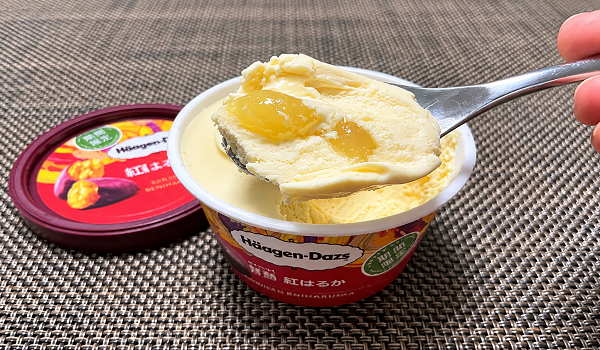
Häagen-Dazs Japan has introduced Nou Mitsu Imo, or “Rich Sweet Potato”, a limited-edition flavour launched on September 15. The product takes an indulgent approach, combining Beni Haruka and Anno Imo sweet potato varieties with a glossy sweet potato sauce designed to recreate the caramelised juices associated with freshly roasted sweet potatoes.
The result is a rich, smooth dessert built around an intense sweet potato profile. The golden sauce sits over bright yellow Beni Haruka-flavoured ice cream, giving the product a visually striking appearance while reinforcing its premium positioning.
The launch also highlights the growing role of seasonal Japanese ingredients in ice cream innovation. Sweet potato is strongly associated with autumn in Japan, making it a natural platform for limited-time flavours that connect ice cream with seasonal food traditions.
Muji, meanwhile, has taken a more understated route with its Beni Haruka Sweet Potato Frozen Dessert. True to the brand’s minimalist positioning, the product keeps its appearance relatively simple, but its formulation introduces textural elements that differentiate it from the Häagen-Dazs offering.
The Muji dessert contains black sesame and pieces of actual sweet potato. The sesame adds an aromatic layer, while the sweet potato pieces provide a combination of icy crispness and a softer, chewy texture.
The contrast between the two products illustrates two different approaches to premiumisation. Häagen-Dazs builds its appeal around richness, visual indulgence and a concentrated sweet potato flavour, while Muji places greater emphasis on ingredient texture and a relatively natural presentation.
Both, however, are built around the same consumer proposition: turning a familiar seasonal ingredient into an ice cream experience.
For Japan’s ice cream market, the launches also demonstrate how traditional flavours can support seasonal product innovation without relying on complicated flavour combinations. By focusing on recognised ingredients such as Beni Haruka, Anno Imo and black sesame, brands can create limited-edition products that combine familiarity with novelty.
As Japanese consumers move into the autumn snacking season, sweet potato is once again proving that some of the most effective ice cream innovations can start with a simple, culturally familiar ingredient.