

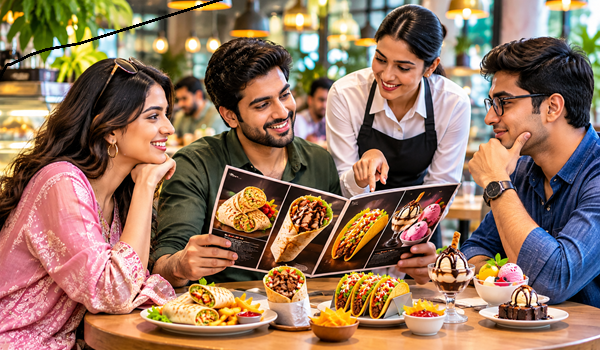
Quick-service restaurant (QSR) chains in India are having to rethink what “value” means. Customers are judging brands on much more than price, according to an analysis published by qsrmedia.asia. Diners now expect fair pricing, a smooth experience and something new on the menu, all at the same time.
Affordability is still important, but it is now only where the decision begins. Consumers also weigh portion size, ingredient quality, taste, delivery speed and how the visit feels overall. As a result, a cheaper meal that leaves no impression can lose out to a slightly more expensive one that feels worth the extra money.
This shift shows up in how people spend. Many consumers are holding back on big purchases but still allow themselves small treats, such as a premium shake, a loaded side or a dessert at the end of the day. In that context, value is less about discounts and more about whether a small indulgence feels justified. The analysis says brands that do well make their pricing easy to trust, with honest portions, transparent ingredients and consistent quality.
Gen Z and younger millennials are driving much of this change. These diners readily try flavours that older customers once avoided, including Korean-style sauces, peri-peri, Mexican-inspired wraps and Indian twists on global formats, such as tandoori or masala variants. They often discover new items through friends, creators and viral social media clips rather than traditional advertising.
Price plays a key role in this experimentation. Young customers will try a new flavour when it is affordable and low-risk, but are more hesitant when it carries a premium price tag. QSR formats suit this behaviour because trying something new does not feel like a big commitment.
With many outlets offering similar menus within a short distance, the overall experience often decides where customers go and whether they come back. Easy ordering, apps that remember past orders and outlets that work both for quick pickups and for longer stays all influence loyalty. Visual appeal now matters too. Drinks with interesting textures and desserts that look good on camera give customers something to share online.
Urban consumers also treat reliable delivery, quick reordering and consistent quality across outlets as basic expectations.
The analysis warns brands against chasing every passing trend. New launches usually sell well in their first few weeks, helped by social media buzz, but the real test is whether customers come back for the item a month later. Fusion dishes tend to work best when they build on familiar flavours. Limited-time offers let brands test ideas and quietly drop the ones that fail, without cluttering the core menu.
Pricing structure also matters. A clear price ladder lets entry-level items drive regular visits while premium options attract customers who want to trade up. Diners are quick to tell a genuine deal from a cosmetic one.
Operations are another constraint. New ingredients, extra staff training and even a few added seconds per order can slow kitchens during the lunch and dinner peaks, when most revenue is earned.
The analysis concludes that the QSR brands most likely to stay relevant will be those that deliver value, convenience and novelty together, without making customers feel they have had to compromise on any of them.