

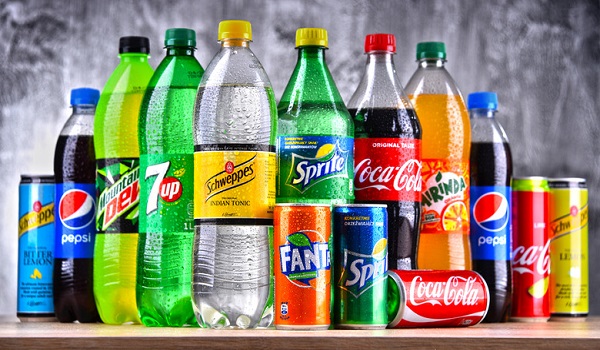
The Indian Beverage Association (IBA), representing companies such as Coca-Cola, PepsiCo, and Reliance Consumer Products, has urged the finance ministry to adopt a sugar-based taxation model for aerated drinks, aligning with global practices. The appeal comes ahead of a key GST Council meeting early next month that will decide on new tax slabs across consumer categories.
Currently, all aerated drinks—regardless of sugar levels—attract 28% GST plus 12% compensation cess, taking the total tax to 40%, the same rate applied to tobacco and pan masala. Industry players argue this is inequitable, particularly as demand for low- and no-sugar variants is surging.
IBA Pushes for Global Model
In a letter dated August 25, IBA Secretary General Dr. D.S. Gangwar wrote that the existing regime “ignores low/no-sugar variants and fruit-based beverages, which offer healthier alternatives.” The IBA has asked for a framework where taxation is determined by sugar content, similar to models followed in advanced economies.
The association also objected to aerated drinks being classified as “sin goods.” “This equates them unfairly with tobacco and pan masala, despite no comparable public health concerns,” the letter stated.
Shift in Consumer Preferences
The push comes amid a sharp rise in sales of healthier beverages. According to industry estimates, low- and no-sugar drinks doubled in sales in 2024 to reach ₹700–750 crore, now making up more than 10% of the overall soft drinks market.
PepsiCo’s bottling partner Varun Beverages reported that, for the first time, more than 55% of its sales in January–June 2025 came from low- or no-sugar beverages. Coca-Cola too has expanded its portfolio with Thums Up X Force, Sprite Zero, Diet Coke, and Coke Zero, while PepsiCo offers Pepsi Black, no-sugar 7Up, and Gatorade variants. Dabur’s Real Activ no-added-sugar juices also saw 110% growth in 2024.
Industry Outlook
Analysts say the Council’s decision could reshape the category’s pricing and growth trajectory. A sugar-linked taxation model could encourage companies to expand their low-calorie portfolios further, aligning with shifting consumer demand.