

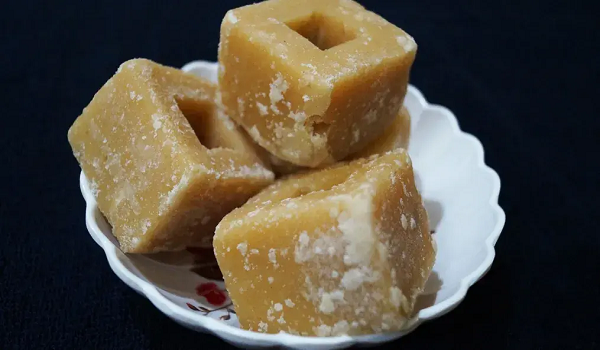
In a bid to upgrade one of India’s most traditional Agro-processing segments, the Ministry of Food Processing Industries (MoFPI) is accelerating investments in modern jaggery processing infrastructure, combining financial incentives with technology adoption and market-linked support.
Through a convergence of central schemes—including the Pradhan Mantri Kisan SAMPADA Yojana (PMKSY), the Production Linked Incentive Scheme for the Food Processing Industry (PLISFPI), and the PM Formalisation of Micro Food Processing Enterprises (PMFME)—the ministry is encouraging entrepreneurs to set up and expand modern jaggery units equipped with improved processing, hygienic and packaging capabilities.
The focus, officials said, is on moving jaggery production away from informal, fuel-intensive and low-yield practices towards cleaner, standardised and FSSAI-compliant operations that can tap organised retail and export opportunities.
Under the Creation/Expansion of Food Processing & Preservation Capacities (CEFPPC) component of PMKSY, MoFPI has sanctioned support for five modern jaggery processing units, with grants totaling ₹17.07 crore as of December 31, 2025. In parallel, the PMFME scheme has emerged as a major driver for small players, approving 3,528 micro food processing enterprises in the jaggery segment with cumulative subsidies of ₹102.31 crore.
Beyond plant-level support, the government is also strengthening jaggery value chains through the One District One Product (ODOP) framework. Jaggery and allied products have been identified under ODOP in 19 districts, allowing clusters of processors to benefit from shared infrastructure, common branding, quality control systems, and collective marketing.
Under PMFME, Farmer-Producer Organisations (FPOs), Self-Help Groups (SHGs), and cooperatives are eligible for up to 50% grant assistance for branding and marketing initiatives—an intervention aimed at helping traditional jaggery products transition into packaged, branded, and premium formats.
Officials noted that the push for modern jaggery processing aligns with rising domestic and international demand for natural sweeteners and minimally processed foods. By improving quality consistency, reducing post-harvest losses, and enhancing traceability, the initiatives are expected to raise farmers’ realizations, create rural employment, and integrate jaggery more firmly into India’s organised food processing ecosystem.
The ministry added that continued infrastructure upgrades and technology infusion will be critical in transforming jaggery from a largely unorganised cottage activity into a scalable, competitive segment within India’s broader food processing industry.