

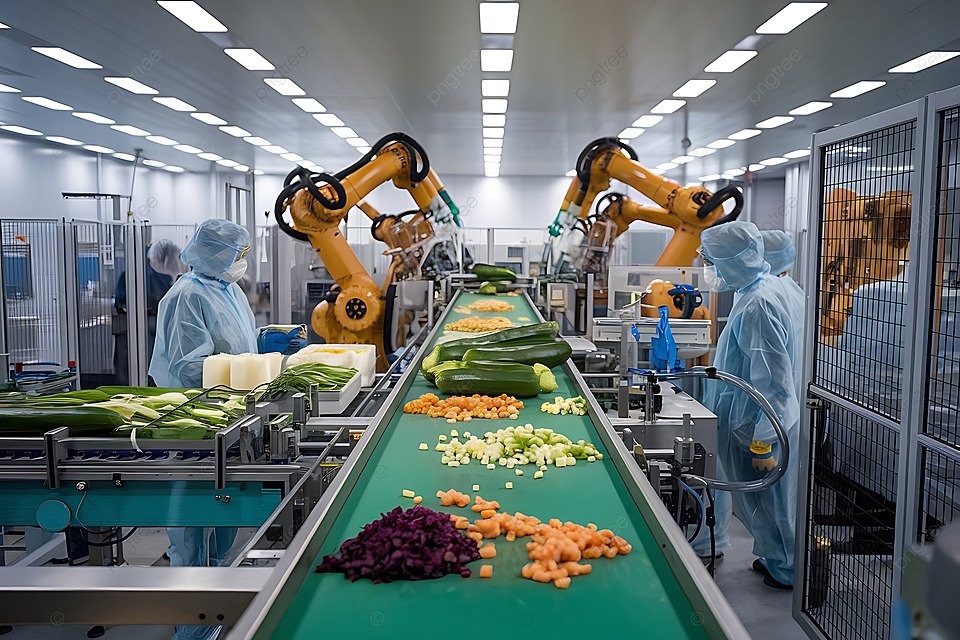
India’s food processing sector is set for a major expansion, with the Centre preparing to facilitate the establishment of 75,000 new processing units across the country in the coming years. The ambitious push aims to strengthen rural employment, reduce post-harvest losses, and enhance market access for farmers by expanding processing capacity at the grassroots level.
According to senior officials at the Ministry of Food Processing Industries (MoFPI), the new units will include micro, small, and mid-sized enterprises supported through a mix of central schemes, state-level incentives, and private-sector partnerships. A significant share of projects will be implemented under the PM Formalization of Micro Food Processing Enterprises (PMFME) scheme, which focuses on upgrading unorganized micro units and developing new processing clusters.
The expansion strategy will priorities high-demand categories such as ready-to-eat and ready-to-cook foods, traditional snacks, spices, dairy, bakery, millet-based products, fruit and vegetable processing, and value-added staples. Regions with high agricultural output but low processing penetration—including Uttar Pradesh, Bihar, Madhya Pradesh, Odisha, and parts of the Northeast—will see targeted development.
Industry analysts say the move could reshape India’s food economy by boosting value addition, strengthening supply chains, and increasing export potential. “Setting up 75,000 processing units will transform how India handles its agri-produce,” said a senior industry expert. “This will empower farmers with fairer prices, support MSMEs and create lakhs of jobs across rural areas.”
The government expects the initiative to draw significant private investment, with FMCG majors, agri-tech startups, and global food companies showing increased interest in India’s expanding processing ecosystem. Once operational, the new units are expected to play a crucial role in positioning India as a global hub for food manufacturing and value-added agriculture.