

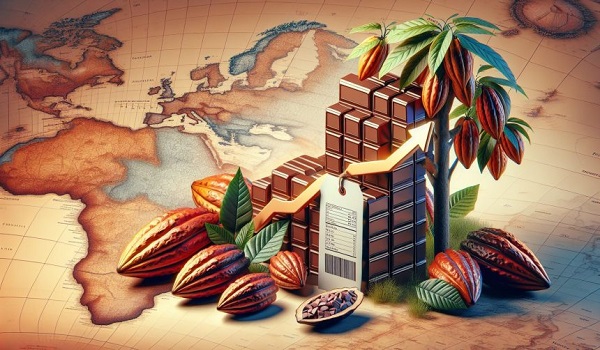
American chocolate lovers are in for a more expensive Halloween this year, as cocoa prices have more than doubled since early 2024 due to severe supply disruptions in West Africa—the world’s primary cocoa-growing region.
According to a new report from Wells Fargo’s Agri-Food Institute, U.S. chocolate prices are expected to remain high well into next year, with the cost pressures likely to persist through September 2026. While global cocoa prices have eased slightly from their record peaks in late 2024, manufacturers continue to pass on elevated costs to consumers through higher retail prices, smaller product sizes, and reduced seasonal assortments.
“The combination of rising input costs and global supply shortages has forced chocolate makers to trim product lines and resort to shrinkflation,” the report noted.
Supply Shock in West Africa
The cocoa crisis stems from multiple climatic setbacks in West Africa, which accounts for roughly 70% of the world’s cocoa production. Heavy rains in late 2023 led to widespread black pod disease and crop rot, followed by El Niño–induced droughts in 2024 that worsened the spread of cocoa swollen shoot virus.
As a result, global cocoa output plunged 12.9% year-on-year to 4.37 million metric tons in the last crop season, creating a 494,000 metric ton supply deficit—the largest in more than six decades, according to the International Cocoa Organization (ICO). Production in the Ivory Coast, the world’s top producer, fell 25.3%, while Ghana recorded a 31.3% decline.
Wells Fargo analysts warn that the situation could deteriorate further. Preliminary assessments from exporters suggest cocoa output across the four major West African producers could fall another 10% during the 2025–26 crop year, beginning this month. “Given the record deficit and fragile crop outlook, cocoa prices are likely to stay elevated through at least the next season,” the report said.
Tariffs Add to the Pain
Adding to the industry’s woes are newly imposed U.S. tariffs on major cocoa exporters, including Ecuador, the Ivory Coast, the Dominican Republic, and Ghana, ranging from 15% to 25%. Importers and chocolate manufacturers now face higher costs for raw cocoa, butter, and powder, further squeezing margins.
Consumers Seek Alternatives
With chocolate becoming a luxury treat, Wells Fargo analysts recommend that consumers “shop smart” this Halloween—opting for sweets with less cocoa content, comparing prices across retailers, and choosing generic brands over premium ones to save money.
Despite the spooky season’s festive spirit, this year’s Halloween basket may look a little different—with fewer chocolates and more of everything else.