

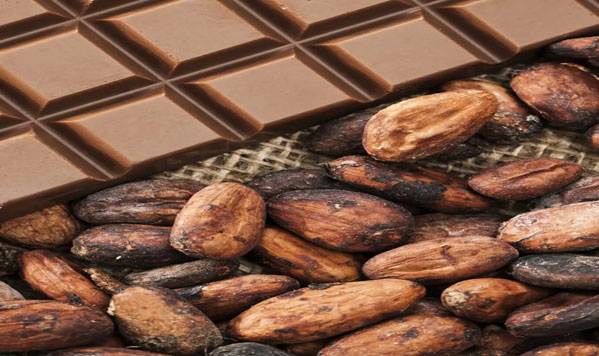
Global cocoa prices are heading for their steepest annual decline on record, but shoppers are unlikely to see cheaper chocolate anytime soon, as manufacturers continue to grapple with high-cost inventories, structural supply risks and margins bruised by last year’s historic rally.
After nearly tripling in 2024 and touching record highs close to $13,000 a tonne, cocoa futures have fallen sharply this year, down about 50% and marking the biggest annual slump since records began in 1960. Improved harvest prospects, softer demand and easing fears of a prolonged shortage have weighed on prices.
Yet chocolate prices on supermarket shelves remain stubbornly high. Manufacturers are still processing cocoa beans purchased at peak prices and have made recipe and portion-size adjustments that are difficult to reverse quickly. As a result, producers and analysts expect any meaningful price relief to reach consumers only in the second half of 2026 — and even that remains uncertain.
“The prices that the chocolate industry is currently working off are very high and painful,” said Jonathan Parkman, head of agricultural sales at commodities brokerage Marex Group. “It’s going to take quite a while to work through that.”
The surge in cocoa prices last year was driven by crop damage caused by disease and extreme weather in Ivory Coast and Ghana, which together account for more than half of global cocoa supply. The shock rippled through the industry, leaving everyone from global food giants to small artisanal chocolatiers scrambling to secure supplies and protect margins. Some producers struggled to survive.
Germany’s Lambertz, one of the country’s oldest confectionery makers, locked in enough cocoa to last until nearly mid-2026 at elevated prices. The move added around €150 million ($176 million) to its annual costs — roughly one-fifth of its revenue last year — forcing the company to raise prices and absorb lower sales volumes.
Producers are now focused on recovering lost margins rather than rushing to cut retail prices. “You could go through a significant period in 2026 before you see any relief in pricing,” said Scott Amoye, vice president of commodities at Guittard Chocolate Co.
Major chocolate makers are also cautious. Nestlé said it was too early to comment on price changes despite recent market moves, while Hershey’s has indicated that any deflationary impact is likely to emerge only deeper into 2026.
Underlying supply risks continue to cloud the outlook. Cocoa prices, though well below last year’s peak, are still hovering around $6,000 a tonne as expectations for a large surplus this season have been trimmed. Analysts warn that West African cocoa farming remains structurally underfunded, with smallholders lacking access to fertilisers, disease-resistant plants and climate-resilient tools.
“The long-term structural challenges are not resolved,” said Peter Feld, chief executive of Barry Callebaut. “Chocolate has been far too cheap for far too long.”
To cope with volatility, many manufacturers have reduced cocoa content or shrunk pack sizes — changes that are likely to persist. In Germany, Milka bars are now lighter even after price hikes, while in the UK some popular bars no longer qualify as “chocolate” after cocoa butter was replaced with cheaper vegetable oils.
For consumers already stretched by rising costs of essentials from coffee to beef, the message is clear: while cocoa markets may be cooling, chocolate is set to remain an expensive indulgence, with discounts more likely than outright price cuts in the near term.