

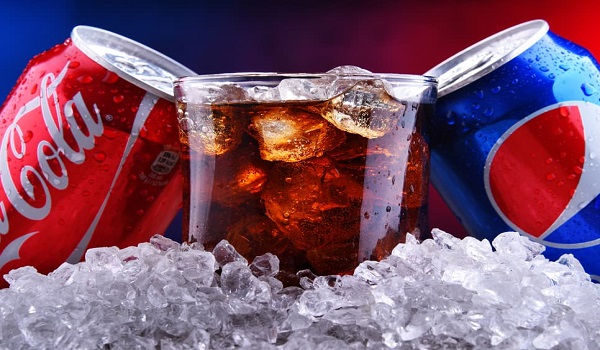
Coca-Cola and PepsiCo, long synonymous with traditional soft drinks in quick-service restaurants, are betting big on “dirty sodas” as consumer tastes shift toward premium, customizable beverages.
Dirty sodas — soft drinks mixed with syrups, creamers, fruit, flavored foam, or even soft-serve ice cream — first emerged in Utah in the early 2010s, popularized by chains like Swig. Now, the trend is moving into the mainstream, driven by TikTok and Instagram users sharing colorful, over-the-top drinks that are as photogenic as they are sweet.
“It’s not a fad, it’s a trend,” said Megan Tallman, vice president of Coca-Cola Freestyle and Foodservice Innovation. “Consumers want customization, how they want it and when they want it. Mixology is really important with the Gen Z consumer.”
For Coca-Cola, the strategy involves experimenting with new flavor infusions and dessert-style offerings. The company is piloting flavored syrups for ice cream, including Fanta-inspired orange creamsicle soft serve and Barq’s Root Beer soft serve, which mimic the appeal of nostalgic soda-fountain favorites while tapping into the growing crossover between beverages and frozen desserts.
PepsiCo, meanwhile, has introduced its “Drips” line — a portfolio of premium sodas enhanced with inclusions like strawberry basil, mango horchata, and s’mores. Piloted at U.S. colleges in 2024, the line drew strong engagement, according to Scott Finlow, global CMO of Pepsi Foodservice. “Consumers love that Drips utilizes our brands. They’re willing to pay a premium — we tested these between $5 and $9 and saw no resistance,” he said.
Restaurants see dirty sodas and premium beverages as a high-margin category that can differentiate them in an increasingly crowded quick-service market. Data from Coca-Cola shows that limited-time offers (LTOs), particularly beverage-based ones, can lift average checks by $3 per visit. “Beverages are easy to innovate with and can be quickly adjusted to keep menus fresh,” Tallman noted.
The push also reflects broader quick-service restaurant (QSR) strategies. Chains such as Taco Bell, KFC, and McDonald’s are ramping up beverage experimentation. KFC has tested new flavored lemonades and refreshers under its “Saucy” concept, while Taco Bell has rolled out freezes and specialty drinks designed for Gen Z appeal. McDonald’s, even as it sunsets its CosMc’s spinoff, plans to integrate some of its premium beverage experiments into 500 U.S. stores this fall.
Analysts say the momentum is partly defensive. Boutique soda shops like Swig and Sodalicious are winning younger consumers with specialty drinks and custom add-ins, challenging mainstream soda’s dominance. By partnering with restaurants to introduce dirty sodas, Coke and Pepsi can capture both high-margin sales and consumer mindshare before niche players scale further.
The challenge for big soda, however, is balancing novelty with familiarity. Despite dramatic colors and extravagant add-ins, bestsellers often remain rooted in classic flavors like Blue Raspberry and Mango — options that feel adventurous yet recognizable.
As consumer preferences blur traditional lines between drinks, snacks, and desserts, dirty sodas are emerging as a sweet spot for restaurants and beverage giants alike. The category combines customization, nostalgia, and Instagram appeal — three powerful drivers for today’s dining experience.