

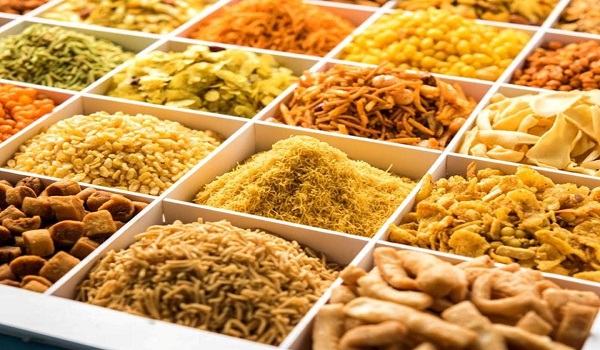
India’s namkeen market, once dominated by unorganized players and local favourites, is now at the centre of a global food fight. Multinationals, private equity firms, and domestic conglomerates are circling a sector that is growing fast, innovating faster, and proving remarkably resilient to economic slowdowns.
The latest spark came from reports that US multinational General Mills is in talks to acquire a significant minority stake in Balaji Wafers, one of India’s most successful regional snack makers. Other suitors include PepsiCo, ITC Ltd, and multiple private equity firms, underscoring the strategic and financial weight of the segment.
Urbanisation fuels snack surge
India’s rapid Urbanisation is rewriting eating habits. With longer commutes, dual-income households, and shrinking family kitchens, snacks are no longer occasional indulgences — they are everyday fuel. From chips and bhujia to protein bars and roasted seed mixes, the snack aisle has diversified into a lifestyle category.
Rising incomes, rising aspirations
Disposable incomes are rising not just in metros, but also in Tier-2, Tier-3, and even rural markets. Consumers are “trading up,” shifting towards branded, hygienic, and premium products. Low-unit packs priced at ₹1, ₹5, and ₹10 have helped brands penetrate schools, kiosks, and villages, offering mass affordability while encouraging consumers to develop loyalty.
Young India drives experimentation
With over half the population under 30, India is primed for bold flavours and new formats. Younger consumers are adventurous — pushing demand for fusion snacks, millet- and quinoa-based options, and international flavours. Yet regional authenticity remains powerful: brands that balance local taste with global innovation are winning the market share battle.
Health and premiumisation reshape choices
A shift towards “better-for-you” snacks is unmistakable. From baked instead of fried to preservative-free, eco-conscious packaging, consumers are more aware of nutrition and wellness. Farmley’s 2025 Healthy Snacking Report revealed 55% of Indians prefer preservative-free options, while 52% prioritize eco-friendly packaging. Premiumisation is also on the rise, with artisanal ingredients and exotic flavours turning everyday snacking into a lifestyle statement.
Investors smell opportunity
The appeal for investors is clear: scalability, strong regional moats, and consistent demand. Temasek’s investment in Haldiram’s and now mounting interest in Balaji Wafers reflect a broader trend of capital chasing lean, efficient snack makers with loyal consumer bases.
India’s snack market was valued at ₹42,695 crore in 2023, and according to IMARC Group, it is expected to more than double to ₹95,522 crore by 2032, clocking nearly 10% CAGR. Segments like extruded snacks, ethnic ready-to-eat lines, and health-focused innovations are poised to expand even faster.
Challenges ahead
Despite the boom, challenges remain. Price sensitivity is high, with consumers quick to downtrade if pack prices rise or grammage falls. Raw material inflation — potatoes, oils, spices — can squeeze margins. Competition from informal local players remains stiff, especially in rural India. Health-focused products also face a delicate balancing act: they must deliver on nutrition without compromising the taste punch that defines Indian snacking.
Crunch time for India’s snack story
From roadside stalls to global boardrooms, namkeen has travelled far. Its transformation from a fragmented, regional business to a billion-dollar battleground is reshaping India’s food industry. For global giants, private equity firms, and nimble local champions, the message is clear: India’s crunch is just getting started.