

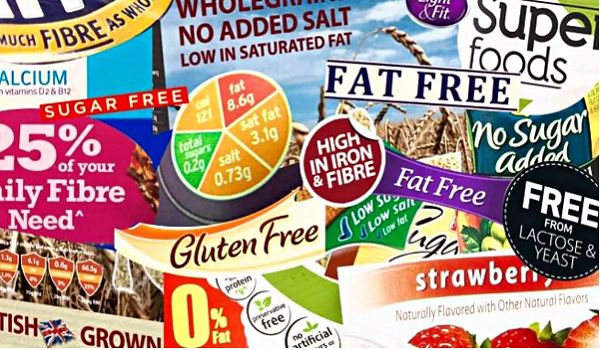
A growing group of doctors, scientists, and consumer advocates is reshaping India’s food debate by challenging misleading labels, exaggerated health claims, and opaque ingredient disclosures, forcing regulators and large food companies to respond.
Among the most prominent voices is pediatrician Dr. Sivaranjani Santosh, whose eight-year campaign against the mislabeling of sugary drinks as oral rehydration solution (ORS) culminated in a landmark directive from the Food Safety and Standards Authority of India (FSSAI) on October 14. The regulator asked food businesses to remove “ORS” from product names unless they meet the World Health Organization’s formulation, citing risks to children’s health.
Santosh’s effort—spanning public education, representations to the health ministry, and a public interest litigation—has become emblematic of a new wave of food activism focused not just on hygiene or adulteration, but on marketing practices and nutrition claims that blur the line between healthy and harmful.
Another influential figure is Revant Himatsingka, founder of the social media platform @foodpharmer, who has built a large following by dissecting ingredient lists and sugar content in popular FMCG products. His 2024 campaign, “Label Padhega India”, sparked nationwide discussion on food labels and consumer awareness. Viral videos questioning sugar levels in products such as Bournvita and juice drinks led companies to announce formulation changes, while scrutiny of edible oils prompted trials of alternative blends.
Himatsingka says the pushback from brands—including legal notices, reputation attacks, and online trolling—has been intense. He has also expanded his work from label reading to laboratory testing of staples such as paneer and ghee, while advocating for health literacy to be introduced as a school subject.
Parallel efforts are underway to counter misinformation around food. Chennai-based author and food scientist Krish Ashok, through his Masala Lab platform, has focused on debunking myths around “organic”, “traditional” ,and “premium” foods. Ashok argues that fear-driven narratives often stigmatise affordable food choices and that science communication must avoid elitism and alarmism.
Long-standing activist Dr. Arun Gupta, convenor of the Breastfeeding Promotion Network of India (BPNI), represents an earlier generation of food advocacy. After campaigning against unethical promotion of infant milk substitutes in the 1980s and 1990s, Gupta has spent more than a decade lobbying for front-of-pack warning labels on foods high in fat, sugar and salt. He has co-authored research in The Lancet linking ultra-processed foods to adverse health outcomes and has repeatedly called for stronger regulatory intervention.
The government has begun to acknowledge these concerns. The Economic Survey 2024–25 flagged misleading nutrition claims on ultra-processed foods, while FSSAI has issued advisories against “100% pure” and “natural” claims and tightened rules on brand names implying unwarranted health benefits. Industry estimates suggest India’s health-oriented food and beverage market is now valued at over ₹63,000 crore and growing at nearly 12% annually.
However, tensions remain. FMCG companies argue that products comply with regulatory standards and warn against what they describe as unregulated online activism. Some executives have called for clearer rules governing influencer-led food commentary, citing potential conflicts of interest.
Activists counter that consumer awareness has historically preceded regulation and that transparency benefits both public health and responsible businesses. As packaged foods become more sophisticated and health claims more pervasive, the debate over labels, ingredients, and accountability is likely to intensify—placing India’s food system under closer public scrutiny than ever before.