

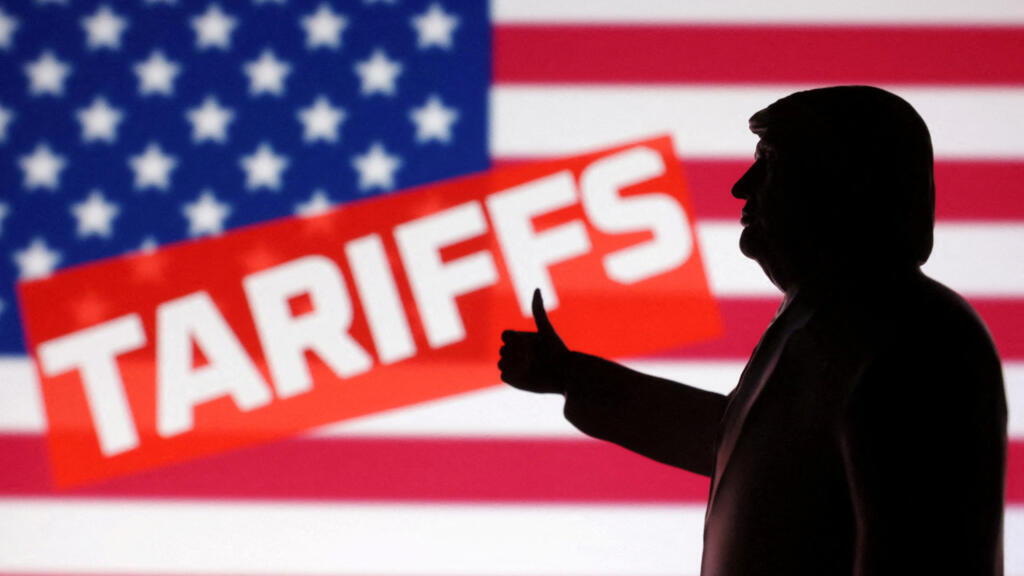
France’s agriculture and food processing sector has emerged as the worst-hit industry from former U.S. President Donald Trump’s sweeping trade tariffs, according to a new survey released by the Bank of France.
The central bank’s monthly survey of 8,500 businesses revealed that the agri-food industry suffered a 2.6% negative impact on activity, more than any other sector. The damage stems not just from direct levies but also from knock-on effects such as growing uncertainty, the threat of retaliatory tariffs, and a surge in cheaper Chinese imports displacing French products.
The pressure on French exports is intensifying, as the European Union faces an August 1 deadline to finalize a preliminary trade agreement with the U.S. If a deal is not reached, tariffs on nearly all EU exports to the U.S. will automatically jump to a punishing 50%—up from the proposed 10% under current negotiations.
Officials from the European Commission are actively seeking sector-specific concessions to shield key industries from the brunt of the trade war. France, with its sizable agricultural exports, is lobbying hard to secure relief for its farmers and food producers.
Bank of France Governor François Villeroy de Galhau, speaking on RMC radio, acknowledged the disruptive nature of Trump-era policies on global trade. “But there are lots of things that depend on us Europeans and French people for our economic growth,” he emphasized, calling for more internal economic reforms.
The central bank’s report also highlighted a stagnant French economy, with growth projected at just 0.1% in Q2, mirroring the weak pace set earlier this year. Although industrial and service activity saw a mild rebound in June after May’s disruption due to public holidays, the outlook remains tepid.
Villeroy reaffirmed the Bank’s full-year growth projection of 0.6% for 2025. “It’s not enough in the long term,” he admitted. “We need to take measures to strengthen the French and European economy.”
Meanwhile, political uncertainty at home continues to weigh on business sentiment, with the minority government pushing through new rounds of spending cuts and tax increases to stabilize public finances amid economic headwinds.