

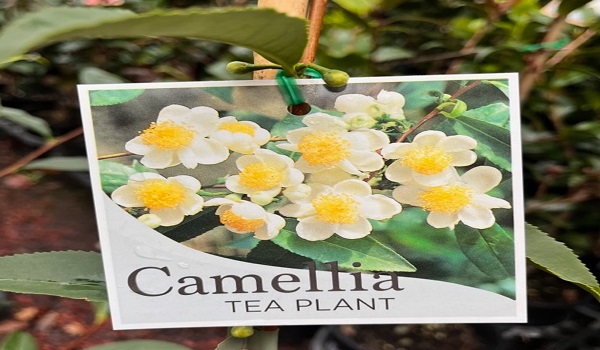
Guwahati: India’s booming wellness beverage market is set for a major reset after the Food Safety and Standards Authority of India (FSSAI) barred the use of the word “tea” for herbal and plant-based infusions. In a clarification issued on Wednesday, the food regulator ruled that only products made from Camellia sinensis—the original tea plant—can legally be marketed as “tea.”
The directive applies to all food business operators, including e-commerce platforms, and aims to curb what FSSAI describes as misleading practices that confuse consumers. According to the regulator, herbal or botanical blends not derived from Camellia sinensis do not meet the legal definition of tea, and labelling them as such amounts to misbranding under the Food Safety and Standards Act, 2006.
“It has come to the notice of FSSAI that some food business operators are marketing products not obtained from the plant Camellia sinensis under the name ‘tea,’ such as ‘herbal tea,’ ‘rooibos tea,’ and ‘flower tea,’” the clarification stated. Under the Food Safety and Standards (Food Product Standards and Food Additives) Regulations, 2011, the term “tea” is reserved exclusively for products derived from Camellia sinensis, including black, green, Kangra, and instant teas in solid form.
The move has been welcomed by stakeholders in Assam, the world’s largest tea-producing region. “This long-overdue clarification will remove confusion from consumers’ minds and bring much-needed transparency to the market,” said Bidyananda Barkakoty, adviser to the North Eastern Tea Association (NETA). He added that even the US Food and Drug Administration recognise only Camellia sinensis-based products as tea, not herbal infusions.
The ruling is expected to have wide-ranging implications for India’s fast-growing wellness industry. Products currently sold as “herbal teas” will now need to be rebranded as “herbal infusions” or “botanical blends.” Online marketplaces may have to relist thousands of items, while smaller wellness brands could face challenges maintaining visibility without the familiar “tea” label.
For traditional tea growers, however, the decision is seen as a protective measure. By tightening the definition, FSSAI reinforces authenticity and ensures that consumers buying “tea” are getting genuine Camellia sinensis leaves—safeguarding the global reputation of iconic Indian teas such as Assam and Darjeeling.
As enforcement begins, the wellness sector is bracing for a period of adjustment. But for India’s tea industry, the message from the regulator is unambiguous: the word “tea” belongs solely to Camellia sinensis.