

The sprawling grounds of Guru Angad Dev Veterinary and Animal Sciences University (Gadvasu), Ludhiana, turned into a vibrant hub of activity this week as Punjab’s largest animal husbandry fair — the Pashu Palan Mela — opened its gates. The two-day event carried a clear message for the farming community: the future of dairy fortune lies in the care and nourishment of young livestock.
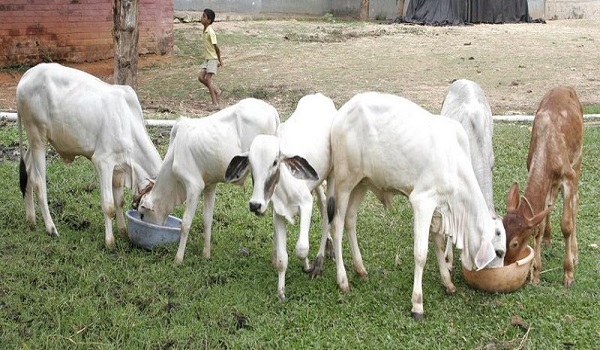
This year’s theme, “Proper management of young stock makes dairy farming profitable,” set the tone. From the very first session, experts emphasized that calves, chicks, and kids are not just the next generation of livestock — they are the foundation of a farmer’s prosperity.
A Vision for the Future
Vice-Chancellor Dr. Jatinder Paul Singh Gill captured this sentiment in his address to the gathering. “Young stocks are the future of any livestock farming, and they should be nourished nicely for an early head start,” he stressed. Dr. Gill also underlined Gadvasu’s mission to uplift the livestock sector by providing scientific support, modern facilities, and consistent guidance. “Our doors remain open to farmers at all times,” he assured.
Where Science Meets Farming
The fair was inaugurated by Harchand Singh Barsat, chairman of the Punjabi Mandi Board, and quickly evolved into a bustling marketplace of ideas and innovation. Mela grounds were lined with stalls, demonstrations, and live exhibits, making it a meeting point for farmers, scientists, dairy officers, veterinary pharma companies, banks, and agribusiness firms.
The Director of Extension Education, Dr. Ravinder Singh Grewal, pointed out that the farmer community’s curiosity extended well beyond dairying. “We noticed a strong interest in goat, pig, equine, and even fish farming,” he noted. To bridge knowledge gaps, the university organized special sessions packed with expert lectures and interactive Q&A rounds, giving farmers a chance to directly engage with specialists.
Learning Through Demonstration
If the lectures built awareness, it was the live demonstrations that left lasting impressions. Gadvasu’s departments exhibited superior germplasm of cows, buffaloes, goats, and poultry, drawing crowds eager to witness the potential of improved breeds. Farmers watched closely as specialists demonstrated milk testing kits, mastitis detection kits, teat dipping practices, and acaricide application — simple yet powerful tools to boost herd health and milk productivity.
The College of Fisheries was a major crowd-puller. Its stalls showcased carp varieties, ornamental fish, and live demonstrations of integrated practices like duckweed cultivation combined with fish farming. Visitors frequently asked experts questions about shrimp culture, saline water aquaculture, and ornamental species, reflecting a growing interest in diversifying into fisheries. Value-added fish products, also available for purchase, offered farmers a glimpse of new income opportunities.
From Labs to Livelihoods
Not all stalls were about research — some were about immediate utility. The Animal Nutrition Department attracted long queues of farmers eager to purchase Gadvasu’s low-cost, farm-tested products like area-specific mineral mixtures, pig mineral mixture, by-pass fat, and uromin lick. Priced affordably, these items proved both popular and practical.
Self-help groups trained by Gadvasu added a touch of entrepreneurship to the mela. Their counters, laden with value-added dairy and food products, became proof that rural women and youth can successfully translate training into income opportunities. Many aspiring farmers lingered at these stalls, seeing in them a roadmap toward self-reliance.
Knowledge for Keeps
The university’s publications corner was another highlight. Farmers picked up pocket-friendly books and leaflets written in simple Punjabi, designed to make scientific knowledge accessible. The monthly magazine “Vigiyanak Pashu Palan” drew dozens of new subscribers who were eager for a steady supply of practical, research-based advice.
Beyond an Event — a Movement
By the time the mela wrapped up, one message had echoed across the grounds: invest in calves today, and reap tomorrow’s dairy fortune. The event was more than just an exhibition — it was a movement to bridge science with grassroots farming, inspiring Punjab’s rural community to combine traditional wisdom with modern veterinary research.