

Global food giant commits to cleaner labels amid rising health concerns and regulatory pressure
General Mills has announced a major shift in its ingredient strategy, pledging to remove artificial colors from its global retail food portfolio by the end of 2027. The company, known for iconic brands like Trix and Lucky Charms, also plans to eliminate synthetic dyes from food products served in school meal programs by mid-2026.
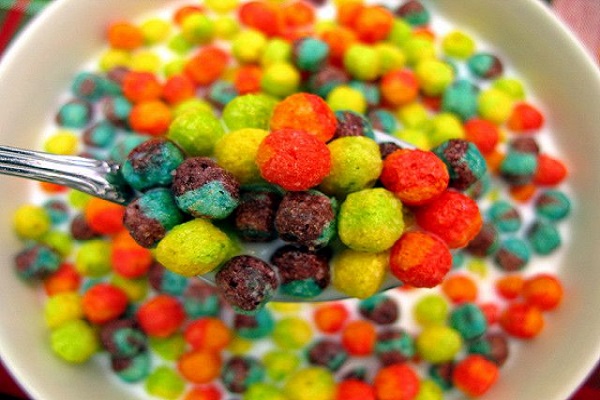
While the company noted that the transition will impact only a fraction—about 15%—of its overall product range, the move signals a broader industry shift toward more natural ingredients and transparent labeling. The change will affect a select group of cereals and processed foods that still rely on synthetic coloring agents to achieve their distinctive, vibrant hues.
This decision follows a similar commitment made earlier this week by another major food manufacturer, indicating a growing trend within the packaged food sector to respond to public health concerns, changing consumer preferences, and regulatory cues.
This isn’t General Mills’ first attempt to go clean-label. In 2016, the company reformulated Trix cereal to use natural colors. However, consumer backlash over the toned-down colors led to the reintroduction of the original artificial dye-based version just a year later.
The current pledge, however, comes with more planning and a more extended timeline—approximately 30 months—to allow for reformulation, testing, and supply chain adjustments. This timeline aligns with broader government and public health expectations in several markets, where regulatory bodies are encouraging the food industry to move away from six commonly used synthetic dyes.
Switching from artificial to natural colorants is no easy task. Manufacturers must consider the availability and cost of natural alternatives, their impact on flavor and shelf life, and how changes might alter the product’s appearance—something consumers often associate with quality and taste.
“There’s a delicate balance between maintaining product appeal and delivering a cleaner label,” said a General Mills spokesperson. “But we are confident in our ability to innovate and meet these evolving expectations.”
Companies also face logistical challenges. Natural colors derived from sources like turmeric, beetroot, or spirulina are often less stable than their synthetic counterparts. They may fade more quickly, react to light or temperature, or require changes in packaging and storage conditions.
The momentum toward cleaner labels is accelerating across the global food industry. Health advocacy groups and consumer watchdogs have long campaigned against artificial food dyes, linking them to hyperactivity in children, allergic reactions, and other health concerns. While these claims remain debated, they have prompted growing scrutiny and influenced purchasing decisions among increasingly health-conscious consumers.
Retailers, too, are playing a role. Several global supermarket chains and e-commerce platforms have begun to demand clearer labeling and “free from” certifications for food products sold on their shelves.
Government agencies have also taken note. Although current reformulation targets are voluntary in most countries, officials have suggested that mandatory timelines could be introduced if companies fail to act swiftly.
“We are hoping to see real change without needing to mandate it, but we’re not ruling out regulatory action if progress stalls,” a senior food safety official stated at a recent press briefing.
Industry experts suggest that companies like General Mills may be moving proactively to shape the narrative and maintain control over timelines and reformulation strategies.
“Voluntary commitments allow brands to protect consumer trust and avoid the reputational risks of falling behind,” said Ritu Mehra, an independent food policy consultant. “They also offer more flexibility than abrupt, top-down mandates that can disrupt operations.”
Indeed, both General Mills and Kraft Heinz, who announced similar goals this week, appear optimistic about meeting the voluntary deadlines, framing the shift as a continuation of their longstanding commitment to consumer well-being.
“Across our history, we have adapted quickly to meet consumer needs,” said Jeff Harmening, Chairman and CEO of General Mills. “Reformulating to eliminate synthetic dyes is another important step in that journey.”
As pressure mounts—from regulators, retailers, and consumers—the move to eliminate artificial colors may soon become a standard across the industry. Smaller food brands, startups, and niche players have already embraced natural ingredients as a core differentiator. Now, legacy giants are catching up.
While the full impact on pricing, product experience, and supply chains remains to be seen, one thing is clear: the age of bright synthetic reds, blues, and yellows in everyday packaged foods may be nearing its end.
For General Mills and others, the journey to clean-label reformulation is not just about ingredients—it’s about staying relevant in an evolving food landscape.