

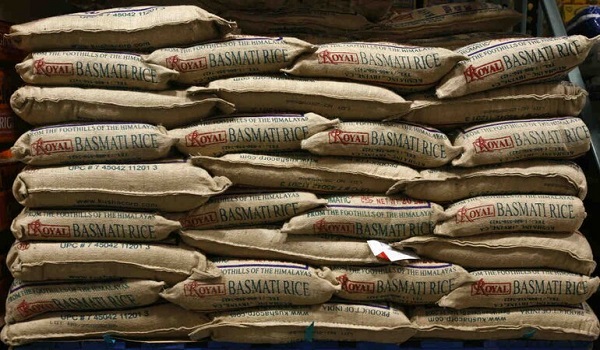
Indian exporters face mounting losses as the Iran-Israel conflict halts rice shipments
Over 100,000 tonnes of Indian basmati rice bound for Iran are currently stranded at Gujarat’s key ports—Kandla and Mundra—due to escalating tensions between Iran and Israel. The halt in movement comes as shipping companies and insurers withdraw from the region, citing the risks of operating in an active conflict zone.
According to the All India Rice Exporters Association (AIREA), the crisis has severely impacted India’s basmati export trade with Iran, which accounts for nearly one-fifth of the country’s annual rice shipments to that nation. With around one million tonnes exported to Iran in FY 2024–25, the current logjam represents an estimated 18–20% of total volumes to the country.
Shipping Paralysis Amid Escalating Conflict
Shipping lines have suspended operations to Iranian ports, and insurers have revoked coverage for vessels headed into the conflict-affected region. “Insurance providers exclude war zones from standard coverage,” AIREA President Satish Goyal explained. “With no viable shipping options, our cargo is stuck.”
This impasse is not only disrupting trade but also creating ripple effects in domestic markets. The sudden blockage has led to a supply surplus, pushing basmati prices down by ₹4–5 per kg. Exporters, many of whom operate on tight margins, are beginning to feel the financial pressure.
Exporters Sound the Alarm
Small and medium enterprises, which form the backbone of India’s agri-export sector, are particularly vulnerable. “We’ve already paid farmers, covered packaging, transport, and port storage costs,” said a rice trader from Karnal, speaking anonymously. “Now we’re bleeding cash every day, with no idea when or if these consignments will move.”
With millions locked in stalled shipments and payment cycles disrupted, traders warn of an impending liquidity crunch unless government support is mobilized swiftly.
Industry Seeks Government Intervention
AIREA has reached out to the Agricultural and Processed Food Products Export Development Authority (APEDA) and is expected to meet Union Commerce and Industry Minister Piyush Goyal on June 30. Exporters are pushing for urgent measures, including:
Diplomatic negotiations to establish humanitarian or safe trade corridors to Iran.
Government-backed insurance or risk mitigation mechanisms for conflict-zone trade.
Temporary financial relief or extended credit lines for exporters hit by delays.
While the Commerce Ministry has not yet made an official statement, insiders say the situation is under active review.
Broader Trade Risks Loom
India exports over 6 million tonnes of basmati annually, with the Middle East and West Asia as key markets. Iran remains one of the largest and most loyal consumers of Indian basmati, despite longstanding challenges such as sanctions, currency issues, and delayed remittances.
However, this crisis underscores a deeper vulnerability—how quickly international events can choke India’s agricultural trade pipeline. Beyond rice, sectors like pharmaceuticals, tea, steel, and engineering goods also depend on relatively fragile trade routes to Iran and the broader Gulf.
A Wake-Up Call for India’s Export Strategy
The current crisis is more than a logistical hurdle—it’s a cautionary tale about the limits of trade expansion in a volatile world. As India looks to position itself as a global agri-export leader, ensuring geopolitical risk preparedness will be key.
For now, farmers and exporters across Punjab, Haryana, and Uttar Pradesh can do little but wait, hoping their fragrant, long-grained rice won’t be another casualty of conflict.