

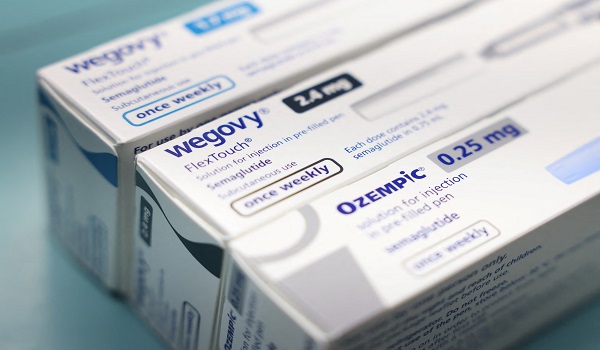
A new report warns that households using GLP-1 weight-loss medications—such as Ozempic and Wegovy—will account for over one-third of all food and beverage sales by 2030, reshaping category demand and forcing companies to rethink product strategies.
Currently, 23% households include at least one GLP-1 user. That figure is expected to surge, with these households projected to represent 35% of food and beverage units sold within the next five years.
GLP-1 medications suppress appetite, pushing consumers toward healthier, high-protein, high-fibre, and hydration-focused products while steering them away from traditional carb and sugar-heavy foods like sodas and chips. This shift is already prompting major players—including Conagra, Danone, and Nissin—to reformulate offerings to meet the preferences of this fast-growing consumer group.
“The rise of GLP-1 medications is a huge moment for the CPG industry,” said Sally Lyons Wyatt, global executive vice president and chief advisor at Circana. “Our research shows shopper priorities are evolving quickly and dramatically.”
Despite buying fewer groceries overall, GLP-1 users tend to spend more than non-users. ADM data shows that 80% of consumers on these drugs are willing to pay a premium for products offering added health benefits, while 67% consider “GLP-1 friendly” attributes crucial to their purchase decisions.
As many consumers cycle on and off the medication, companies are also preparing to support those who struggle with returning hunger cues. ADM reports that 76% of users regain some weight after stopping GLP-1s, and 65% would consider restarting to manage cravings. Circana found that half of former users are likely to resume medication in the future.
Industry analysts say brands that adapt quickly—particularly in product development and health-forward marketing—will be best positioned to tap into this influential and fast-expanding consumer segment.