

India’s 77th Republic Day celebrations this year are set to be marked by more than ceremonial grandeur, with a major policy milestone expected to take the spotlight. India and the European Union (EU) are poised to announce the conclusion of negotiations for their long-pending free trade agreement (FTA) at a high-level summit in New Delhi on January 27, capping nearly two decades of intermittent talks.
Described by Commerce and Industry Minister Piyush Goyal as the “mother of all trade deals,” the India–EU FTA is expected to be formally signed in the coming months after legal vetting and procedural clearances. The agreement is widely seen as a game-changer for several sectors, with the food and beverage industry emerging as one of the biggest potential beneficiaries.
The 27-nation European bloc will be represented by its top leadership, with President of the European Council Antonio Costa and President of the European Commission Ursula von der Leyen scheduled to visit India from January 25 to 27 as chief guests for the Republic Day celebrations. In a symbolic first, a small EU military contingent will also participate in the Republic Day parade on January 26, underscoring the deepening strategic partnership between the two sides.
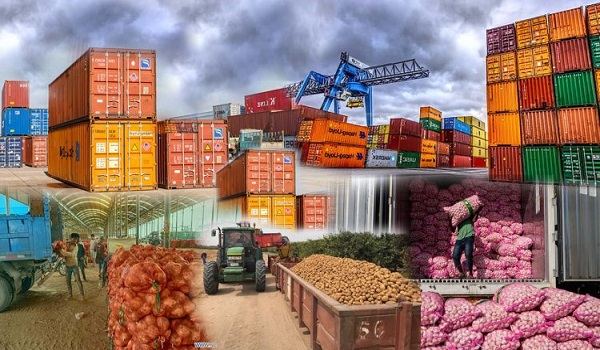
For India’s food industry, the proposed FTA could unlock significant export opportunities by easing tariff and non-tariff barriers for processed foods, dairy products, marine exports, spices, ready-to-eat meals, and value-added agricultural products. Industry executives expect improved market access to the EU to encourage investments in food processing, cold-chain infrastructure, quality certification, and traceability systems—areas critical for meeting Europe’s stringent food safety and sustainability norms.
At the same time, the deal is expected to facilitate greater imports of specialized food ingredients, flavours, processing technology, and packaging solutions from Europe, helping Indian manufacturers move up the value chain. While concerns remain around compliance costs and competition from European brands, policymakers believe the FTA will push Indian food companies to adopt global best practices and enhance export competitiveness.
Beyond trade, both sides are also expected to sign a security and defence partnership agreement during the summit, adding momentum to an already robust political and economic relationship.
As India showcases its cultural and military strength during Republic Day, the impending India–EU trade pact signals a strategic shift toward deeper economic integration—one that could reshape the country’s food and beverage exports and reinforce its position as a global manufacturing and processing hub.