

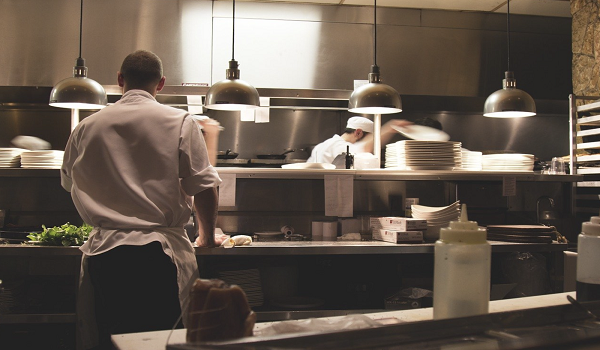
Cloud kitchens, also known as virtual or ghost kitchens, are rapidly transforming India’s food service landscape. By operating without dine-in spaces and focusing solely on online food delivery, these kitchens offer a cost-effective alternative to traditional restaurants—fueling their exponential growth, especially in post-pandemic India.
This business model has seen massive adoption in Tier-2 and Tier-3 cities, riding on the back of increased smartphone penetration, higher disposable incomes, and evolving food consumption habits. The Covid-19 lockdowns gave further momentum to cloud kitchens, encouraging entrepreneurs—including homemakers—to launch delivery-only brands from their own kitchens.
According to a recent report by Research and Markets, India’s cloud kitchen market stood at ₹9,747 crore (US$ 1.13 billion) in 2024. It is projected to reach ₹24,498 crore (US$ 2.84 billion) by 2030, growing at a compound annual growth rate (CAGR) of 16.7%. Currently, online services account for 12% of the country’s food delivery market—a share expected to hit 20% by 2030.
Cloud kitchens require significantly lower upfront investment and operational costs. Without the need for high-rent dining spaces or extensive front-of-house staff, small businesses and startups can quickly scale, experiment with multiple brands under one roof, and adapt to consumer preferences in real time.
These kitchens also offer increased flexibility. A single setup can host multiple virtual brands catering to different cuisines or demographics—each with separate digital storefronts on food aggregator apps.
Setting Up a Cloud Kitchen
Launching a cloud kitchen in India is relatively simple, making it attractive to entrepreneurs. Basic requirements include:
A cost-effective, delivery-optimized location
FSSAI license, GST registration, municipal health and trade licenses
Fire safety and shop establishment certifications
Investment in commercial kitchen equipment
A compelling brand identity and online presence
Tie-ups with food delivery platforms like Swiggy and Zomato
Use of POS and kitchen management systems for efficiency
Cloud kitchens also focus heavily on eco-friendly, spill-proof packaging, ensuring freshness and customer satisfaction.
Benefits for Small Businesses
For SMEs and solo entrepreneurs, cloud kitchens offer:
Lower risk: Minimal capital requirements and overheads
Quick experimentation: Flexibility to launch and drop brands without sunk costs
Broader reach: Delivery apps enable pan-city access without opening new outlets
Speed and quality: Focus on fast preparation and high-quality meals
Leading Players
India’s cloud kitchen ecosystem is now home to innovative startups like Rebel Foods (Faasos, Behrouz Biryani), Box8, EatFit, Biryani By Kilo, and FreshMenu. These brands are leveraging data, digital marketing, and efficient logistics to redefine food delivery.
The Road Ahead
With changing food preferences, longer commute times, and a growing appetite for convenience, cloud kitchens are poised to play a pivotal role in the future of food retail in India. As more players enter the space—ranging from tech-savvy millennials to culinary homemakers—this segment is evolving into one of the most promising, low-investment, high-return opportunities in the Indian food industry.
Cloud kitchens may not offer a table, but they’re serving up the future—hot, fast, and right at your doorstep.