

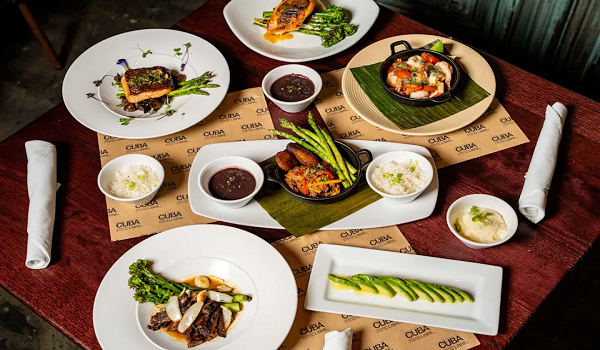
A new dining format is taking shape across urban India as restaurants recalibrate portion sizes and menus in response to the rising popularity of weight-loss medications such as Ozempic and Mounjaro.
Dozens of restaurant chains and cafés are fast-tracking what industry insiders are calling “Size O” menus — with the “O” symbolically referring to Ozempic. The shift reflects a growing cohort of urban consumers using GLP-1 based drugs who are eating smaller portions, prioritizing protein, and cutting back on heavy, carb-loaded meals.
According to PharmaTrac data, sales of anti-obesity drugs surged to ₹1,363 crore in the year to January, more than doubling from ₹574 crore in the previous year. The spike follows the entry of injectable semaglutide and tirzepatide into the Indian market in 2025.
Zorawar Kalra, founder of Massive Restaurants, which operates chains such as Farzi Cafe and Masala Library, said the company is actively evaluating smaller portion formats across its fine-dine menus. He noted that while not all customers are on such medications, the urban consumer base is evolving rapidly, and restaurants must adapt.
The shift marks a sharp contrast to earlier trends when generous servings were considered a value proposition. Anurag Katriar, Managing Director of Indigo Hospitality, said the company’s flagship brand, Indigo Deli, was once known for hearty portions that are now often perceived as excessive. New menu constructs are placing greater emphasis on protein-forward dishes with reduced portion sizes.
The trend mirrors developments in the beverage sector, where sugary carbonated drinks have steadily ceded ground to diet and low-calorie alternatives.
Medical experts say the impact of GLP-1 drugs is behavioural as much as physiological. Semaglutide, the active ingredient in Ozempic, and tirzepatide slow gastric emptying and promote satiety, leading to reduced food intake. While primarily prescribed for type 2 diabetes, their weight-loss effects have propelled widespread adoption.
Industry executives believe the movement is currently concentrated in metros and select semi-urban pockets but could expand quickly, especially as semaglutide patents expire and prices fall. Market experts estimate that prices may drop by over 65% with multiple new entrants expected in the segment.
Restaurant chains are already responding with tactical changes. Speciality Restaurants Ltd, which operates Mainland China and Oh! Calcutta has introduced smaller serving options such as three-piece dim sums instead of the earlier six-piece format.
Global brands are also tracking the shift. At a recent earnings call, McDonald’s chief executive Chris Kempczinski acknowledged that the company is closely monitoring changes in consumption patterns amid the rise of GLP-1 drugs. Meanwhile, Subway has expanded its mini sub offerings, and KFC has introduced smaller chicken portion formats.
Food delivery platforms are aligning with the health-conscious pivot as well. Swiggy has expanded its EatRight tab to 50 cities, while Zomato continues to promote its Healthy Mode feature.
The backdrop to this shift is India’s growing obesity burden. According to industry estimates, nearly one in four Indian adults falls into the overweight category, with close to 5% classified as morbidly obese. Experts say the surge in anti-obesity drug sales reflects increasing willingness among consumers to seek medical interventions for weight management.
For India’s restaurant industry, the so-called “Table 2.0” moment signals a structural change rather than a fad. As health awareness deepens and medical weight-loss solutions become more accessible, portion control, protein-rich menus and lighter formats may soon become mainstream fixtures across urban dining tables.