

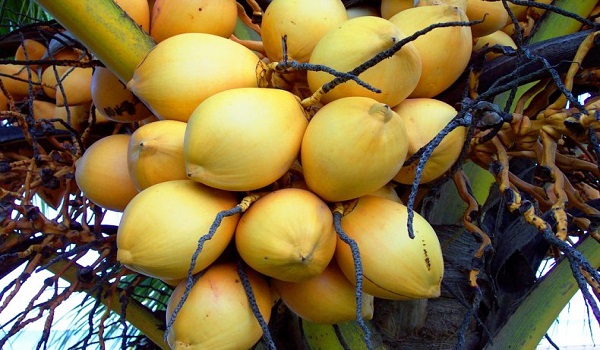
In Kerala, where coconut is not just an ingredient but a cornerstone of cultural and culinary identity, a dramatic spike in coconut and coconut oil prices has triggered economic anxiety, supply shortages, and even coconut thefts. Once sold at ₹25, coconuts are now retailing for ₹77—an over 200% price increase—forcing restaurants to ration oil and farmers to form vigilante squads to guard their groves.
G. Jayapal, General Secretary of the Kerala Hotel and Restaurant Association, captures the alarm gripping the food industry: “We’ve gone from using coconut oil like water to measuring it like it’s liquid gold.” With premium coconut oil prices touching ₹750 per litre, restaurants across the state are facing an unprecedented crisis. The fallout is particularly brutal for small and medium eateries that rely heavily on coconut-based preparations—from sambar and fish curry to chicken fry and vegetable thoran.
For Venugopal P.P., who runs the Ernakulam-based Keradhara coconut oil mill, survival is now in question. The cost of raw copra has jumped to ₹280-₹300 per kilo, up from ₹120 last year. Producing a litre of oil now costs ₹1,620-₹1,960 just in raw materials. “Only large players like Marico can weather this storm. Local producers are being priced out,” he said.
As coconut oil becomes unaffordable, restaurants are resorting to coping mechanisms. Some have switched to alternative oils, though food safety officials have raised alarms about adulteration. Others now charge separately for coconut-based gravies or advertise “limited coconut oil use” to justify higher menu prices.
Meanwhile, the state is witnessing a wave of coconut thefts. In regions like Palakkad and Kuttiady, thieves are targeting both harvested and standing coconuts, leading to the formation of farmer vigilante groups equipped with CCTV cameras and coordinated patrols. In just one month, over 30 theft complaints were registered in the Elappully panchayat alone.
The crisis is the result of a perfect storm. A 40% drop in coconut production this year—due to erratic rainfall, climate change, and decades of farmer neglect—has strained supply during peak festive demand. “High temperatures during the flowering stage have affected yield,” said Saju K. Surendran, MD of Kerafed. He also pointed to years of low market prices and lack of tree care as long-term causes.
Urbanisation has exacerbated the problem. Kerala’s coconut-growing area has shrunk from 10 lakh hectares to 7.5 lakh hectares over two decades. Meanwhile, international demand—especially from China, Europe, and the U.S.—is tightening local availability, with virgin coconut oil now a superfood abroad.
Domestic mills are reporting a 50% drop in sales as consumers shift to smaller pack sizes or cheaper oils like rice bran, which dilute the traditional taste of Kerala cuisine. Even temples aren’t spared. Pazhavangadi Ganapathy Temple has seen a 30% drop in coconut offerings, and many shrines are now forced to raise prices for rituals involving coconut oil.
As the Onam season nears, there is hope that the July harvest and the new crop in October may bring some relief. But for now, Kerala’s kitchens, temples, and restaurants are united by a common struggle: navigating a culinary crisis in the land that takes its name from the coconut—Keralam.
“This commodity has become more precious than gold,” said Surendran. In the strangest of ironies, as Americans drizzle coconut oil over their salads, Malayalis now ration it in their curries.