

In a significant shift toward cleaner labels and consumer health, two of America’s largest food companies—Kraft Heinz and General Mills—have announced plans to eliminate artificial food dyes from their U.S. product lines over the next two years.
The move comes as health advocacy groups and regulatory authorities increase pressure on the food industry to move away from petroleum-based synthetic dyes, particularly over concerns about their potential impact on children’s behavior and long-term health.
Kraft Heinz Targets 2027 for Full Transition
Kraft Heinz announced that it will stop using synthetic dyes known as FD&C colors in its U.S. portfolio by the end of 2027. The company said that nearly 90% of its U.S. products are already free of such dyes, but the remainder—primarily found in beverages and desserts like Crystal Light, Kool-Aid, Jell-O, and Jet-Puffed marshmallows—will transition to natural coloring agents.
“The vast majority of our products use natural or no colors, and we’ve been on a journey to reduce our use of FD&C colors across the remainder of our portfolio,” said Pedro Navio, President of Kraft Heinz North America. He emphasized that the company will also work with third-party licensees to remove artificial dyes from co-branded products.
Kraft Heinz has been gradually moving in this direction for nearly a decade, having removed artificial colors, flavors, and preservatives from its iconic macaroni and cheese in 2016. Its flagship ketchup product has never used synthetic dyes.
General Mills Commits to School Foods First
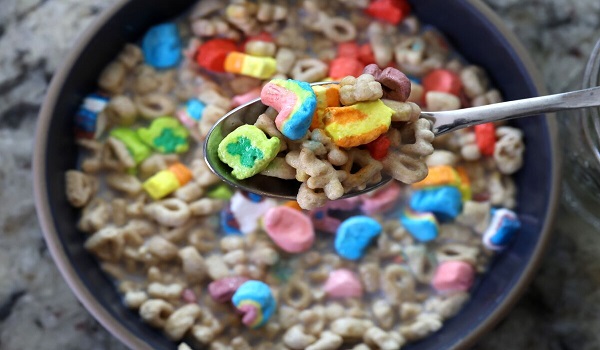
Just hours after Kraft Heinz’s announcement, General Mills followed suit, stating that it will eliminate artificial dyes from all U.S. cereals and foods served in K-12 schools by the summer of 2026. The broader goal is to completely remove synthetic dyes from its entire U.S. retail portfolio by the end of 2027.
“Across the long arc of our history, General Mills has moved quickly to meet evolving consumer needs, and reformulating our product portfolio to remove certified colors is yet another example,” said Chairman and CEO Jeff Harmening.
General Mills noted that the changes affect only a small portion of its school food offerings, as most already do not contain artificial dyes. The company also highlighted that 85% of its U.S. retail foods are currently dye-free.
Regulatory Momentum Gathers Steam
This dual announcement comes in the wake of mounting regulatory and public pressure. In April 2025, U.S. Food and Drug Administration (FDA) Commissioner Dr. Marty Makary announced the agency’s intent to eliminate synthetic food dyes by the end of 2026, relying largely on voluntary compliance from food manufacturers.
While the FDA still considers artificial dyes safe based on current scientific evidence, it recently banned the use of Red Dye No. 3 in food, citing studies that showed it caused cancer in lab rats. Red 3 is currently used in various candies, snacks, and even some medications.
There are currently 36 color additives approved for food use by the FDA, including eight synthetic ones. However, recent research has cast doubt on the safety of some dyes, particularly regarding children’s neurobehavioral health. Some studies suggest links between certain dyes and hyperactivity or attention issues in sensitive children.
Global and State-Level Comparisons
Unlike the U.S., many European countries and Canada require foods with synthetic dyes to carry warning labels, prompting manufacturers to adopt natural alternatives more broadly. Some U.S. states are also taking independent action—California and West Virginia, for instance, have passed legislation to limit the use of artificial food colors.
The U.S. food industry is responding. According to Sensient Colors, a leading global supplier of color solutions, many manufacturers are reformulating their products to use natural hues derived from plant-based sources such as beetroot, red cabbage, purple sweet potatoes, and radishes.
A Turning Point for Clean Label Trends
The commitments from Kraft Heinz and General Mills mark a milestone in the clean label movement, reflecting changing consumer expectations around food transparency, especially for products marketed to families and children.
Food companies around the world are under increasing pressure to ensure ingredient safety, simplify labels, and respond to consumer demand for healthier, more natural foods. The shift away from synthetic dyes is a visible and symbolic step in that direction.
With this latest move, Kraft Heinz and General Mills join a growing list of manufacturers prioritizing consumer health and transparency, signaling a broader industry-wide transformation toward food safety and ingredient reformulation in the coming years.