

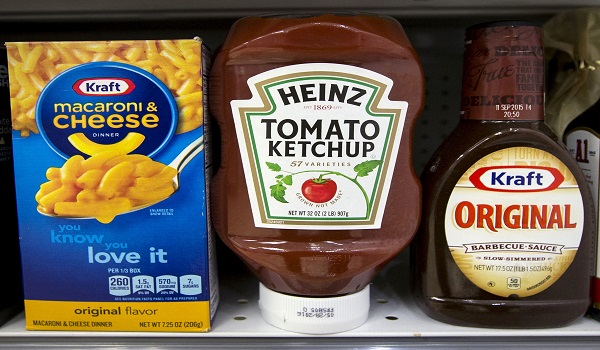
Kraft Heinz has paused its previously announced plan to split into two independent companies, with newly appointed chief executive Steve Cahillane stating that many of the food giant’s operational challenges are “fixable” and within management’s control.
Instead of pursuing a separation, the company will channel roughly $600 million into marketing, sales, research and development, product improvements and selective pricing actions as it seeks to restore profitable growth across its portfolio of iconic brands such as Heinz ketchup and Philadelphia cream cheese. Cahillane, who assumed the CEO role in January, said returning the business to sustained profitability is his top priority.
The decision marks a sharp reversal from plans announced in September to divide the group into two entities—one focused on sauces, spreads and ready meals, and another housing slower-growing grocery staples like processed meats and packaged snacks. The proposed breakup had drawn investor skepticism, with concerns about whether separation alone could address declining demand for heavily processed foods and broader consumer pullbacks linked to inflation and shifting health preferences.
Financial results underscore the urgency of the turnaround. Kraft Heinz reported fourth-quarter net sales of about $6.35 billion, down roughly 3–4% year on year, while organic sales fell 4.2% due to weaker volumes across several categories. For the full year 2025, net sales slipped 3.5% to $24.9 billion and adjusted operating income declined, even as free cash flow improved.
Looking ahead, the company expects organic net sales in fiscal 2026 to decline between 1.5% and 3.5% as it absorbs the impact of stepped-up investments and softer consumer demand.
Chairman John T. Cahill said early signs from the new leadership’s consumer-focused strategy support the decision to halt the separation and concentrate resources on growth, signalling confidence that operational improvements can revive performance without a structural breakup.
The pause places the spotlight squarely on Cahillane’s turnaround strategy—testing whether renewed investment in brands and innovation can stabilize one of the world’s largest packaged-food companies amid shifting consumer tastes and persistent market pressures.