

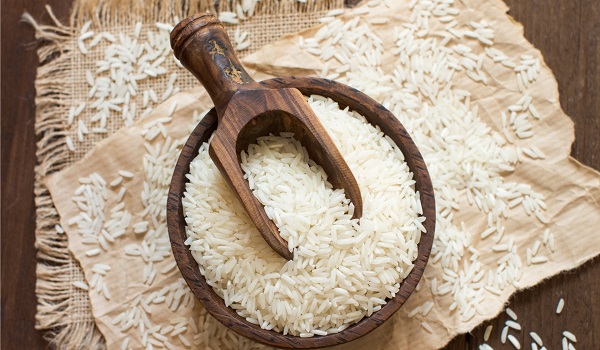
Domestic prices of Basmati rice have declined by 5–6% in recent weeks after disruptions in shipments to the Middle East, a region that accounts for nearly half of India’s basmati exports.
Industry executives say the correction may deepen if the geopolitical tensions in the region persist, as more than three-fourths of India’s basmati production is typically exported. A prolonged slowdown in shipments could lead to a buildup of supplies in the domestic market, putting further pressure on prices.
According to the Indian Rice Exporters Association (IREA), nearly 200,000 tonnes of basmati rice are currently stuck at ports, while a similar quantity remains in transit due to export disruptions.
“Basmati rice prices have fallen by about 6% since the conflict in the Middle East escalated, which is a crucial market for Indian basmati exports,” said Dev Garg, vice president of the Indian Rice Exporters Federation (IREF). “If the conflict continues for longer, domestic prices may decline further.”
Earlier surge in prices
The recent fall follows a sharp rise in February, when basmati prices increased by 5–10% across several varieties amid strong export demand. Exporters had reported increased buying from Iran, which accounts for nearly 40% of India’s basmati shipments, according to government data.
However, with shipments now disrupted, exporters expect some easing in prices over the coming weeks.
“We may see further declines in basmati prices in the next 15–20 days,” said Rajesh Shah, a rice exporter based in Maharashtra. He added that regional preferences for different rice varieties could limit any immediate increase in domestic demand even if prices fall.
Exporters seek relief
Despite the price correction, exporters have refrained from distress selling, hoping the situation will stabilise once shipments resume.
Meanwhile, exporters have approached government agencies, including the Agricultural and Processed Food Products Export Development Authority (APEDA), the Directorate General of Foreign Trade (DGFT), and the Ministry of Commerce and Industry, seeking relief from port charges and high insurance premiums imposed by shipping companies.
Industry participants also said the impact on farmers is likely to remain limited, as most producers have already sold their harvest.
India’s basmati rice exports are valued at around ₹50,000 crore annually, making the premium grain a significant contributor to the country’s agricultural export basket.