

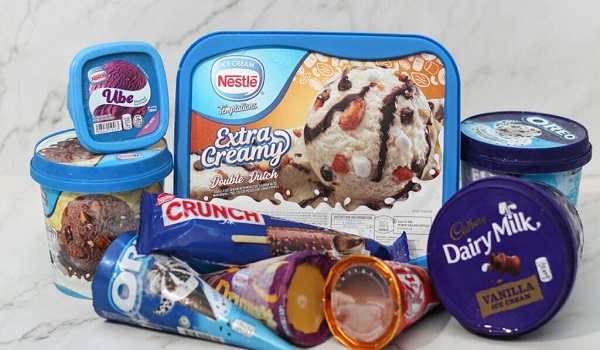
Nestlé will sell its remaining ice cream assets outside the United States to Froneri in a phased transaction, as the world’s largest food company accelerates efforts to streamline operations and focus on high-growth brands.
Chief Executive Officer Philipp Navratil described the company’s remaining ice cream holdings as “strong but small,” calling the segment “a distraction” during earnings call. The move follows Froneri’s $4 billion acquisition of Nestlé’s U.S. ice cream business in 2019. Froneri is a joint venture between Nestlé and private equity firm PAI Partners.
The divestment is part of a broader strategic review aimed at sharpening Nestlé’s focus on its largest and most profitable brands. Navratil, who took over as CEO last fall, has pledged to be “ruthless” in simplifying the company’s vast portfolio to unlock shareholder value.
Beyond ice cream, Nestlé is exploring an exit from its vitamin business and is seeking a partner for its global water portfolio, which includes premium brands such as Sanpellegrino and Perrier. The company completed 10 smaller divestments in 2025, including the sale of its Herta frankfurter line.
“Every time we dispose of operating units, it removes distraction and allows the company to stay fully focused on what drives the most shareholder value,” Navratil said.
Nestlé’s restructuring drive comes amid continued sales pressure. The company reported a 2% decline in overall sales growth in 2025, compared with a 1.8% drop the previous year. However, organic growth improved to 3.5% from 2.2% in 2024, indicating underlying strength in key categories.
As part of its sharper brand strategy, Nestlé plans to reduce the number of brands receiving media support from more than 400 in early 2024 to 150 by 2026. The company is concentrating investment behind its largest global platforms to drive scale and profitability.
Navratil has moved swiftly since assuming leadership, announcing a 6% workforce reduction aimed at generating $3.8 billion in savings.
Nestlé is not alone in reshaping its ice cream portfolio. Rival Unilever recently spun off its ice cream division to enable sharper focus and independent innovation.
Despite exiting ice cream and reviewing other categories, Nestlé reaffirmed its commitment to frozen foods in the U.S., including frozen pizza. While not currently classified as a high-growth segment, Navratil said frozen foods remain strategically important to strengthening the company’s position in its largest market.
“We are innovating and strengthening our business, making it more valuable whatever the future may hold,” he said.