

Food and beverage manufacturers are placing renewed emphasis on packaging as a powerful driver of consumer attention, loyalty, and sales — a shift that marks a decisive break from years of treating package design as an afterthought.
Companies such as B&G Foods and Conagra Brands are investing heavily in research-led packaging upgrades, turning visual appeal, convenience features, and messaging into key competitive levers in an increasingly crowded market.
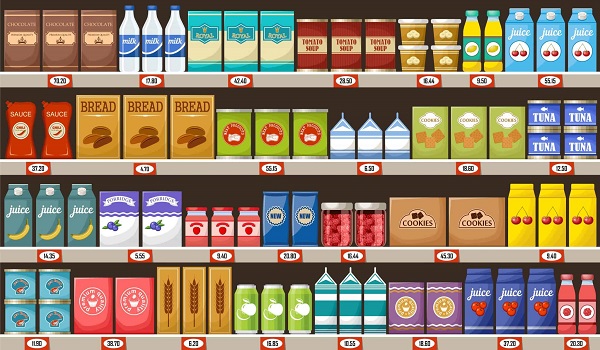
Casey Keller, who assumed leadership at B&G Foods four years ago, quickly identified packaging as a major opportunity area for the 130-year-old manufacturer. Keller noted that packaging serves as primary communication with shoppers at the shelf, where purchase decisions are made within seconds. He emphasized that packaging must perform effectively in the context of multiple consumer choices, otherwise the product risks getting lost among competitors.
Industry trends support this renewed focus. According to BusinessDasher, at least 80% of consumers purchased a new product last year after being drawn in by its packaging, while nearly three-quarters acknowledged that packaging significantly influenced their purchasing decision. Approximately half of shoppers even switched brands due to packaging appeal. Meanwhile, 30% of companies reported improved revenue after enhancing their packaging.
Although compelling, packaging historically received a fraction of the attention given to taste, texture and product formulation. This mindset began to shift as post-pandemic inflation curbed demand and intensified competition. With as many as 80% of new grocery products failing within a year, brands are now competing fiercely to stand out during that critical moment on the shelf.
B&G Foods has moved away from instinct-led changes, instead committing to disciplined, real-world testing of packaging updates to ensure they resonate with customers. The company acknowledges it previously relied on informal decisions but now prioritizes methodical evaluation.
Industry experts argue that packaging investment has lagged behind product innovation. Sean Bisceglia, CEO of PV&COHO, noted that brands typically spend five times more on refining product taste, smell and texture than on the packaging itself, describing packaging practices as outdated and requiring modernization. Chris Rowe, a former Mars Wrigley and PepsiCo executive, has spent years educating leaders on how critical packaging is to product growth, citing the development of Extra gum’s 35-piece “mega-pack” as a case study in functional and sensory design influencing consumer preference and shelf dominance.
Sustainability pressures are also reshaping packaging strategies. Bisceglia observed rising expectations from consumers and stakeholders to adopt eco-friendly materials, prompting brands to simultaneously update design, color and messaging. Where packaging was once considered secondary, he said, companies can no longer afford to overlook its strategic value.
Conagra Brands exemplifies this shift. Senior leaders, including CEO Sean Connolly, now engage directly in packaging decisions, integrating data science and behavioral insights into design. The company has moved far beyond treating packaging as a procedural step and now sees it as fundamental to consumer perception. Conagra’s approach was evident in its Banquet “Mega” meals launch, where bold graphics, premium cues, and prominent protein claims successfully repositioned the line at a higher price point and drove significant growth.
Other brands are refining packaging to clarify product attributes and support premium positioning. Suja Life revamped its labels to simplify ingredient and health benefit communication, adding visual tools such as a “greens meter” to guide taste expectations. The rebrand sparked double-digit growth, proving that thoughtful redesign can pay off — though Suja acknowledges the inherent risk in changing packaging that consumers already recognize.
Packaging missteps remain cautionary tales. Tropicana’s 2009 redesign — which replaced its iconic orange-and-straw imagery — triggered consumer backlash and a sales drop of 20% within weeks, forcing the brand to reverse the change. Similar lessons emerged from Sun Chips’ compostable but notoriously noisy packaging, showing how innovation must balance functionality and consumer comfort.
To reduce risk and accelerate development, firms like PV&COHO now bring engineering, consumer insight and rapid prototyping into the design process, enabling physical mock-ups in hours instead of months. This approach helps companies make smarter decisions faster and avoid costly failures.
While brands have become significantly more sophisticated in their packaging strategies, Bisceglia noted that some still treat packaging as a logistical cost rather than a strategic growth engine. He emphasized that packaging should be considered a critical brand touchpoint and one of the most powerful tools for influencing consumer behavior.
As competition heightens and the retail environment evolves, packaging is emerging not just as a container but as a decisive factor in product success — a transformation industry leaders say has been decades in the making.