

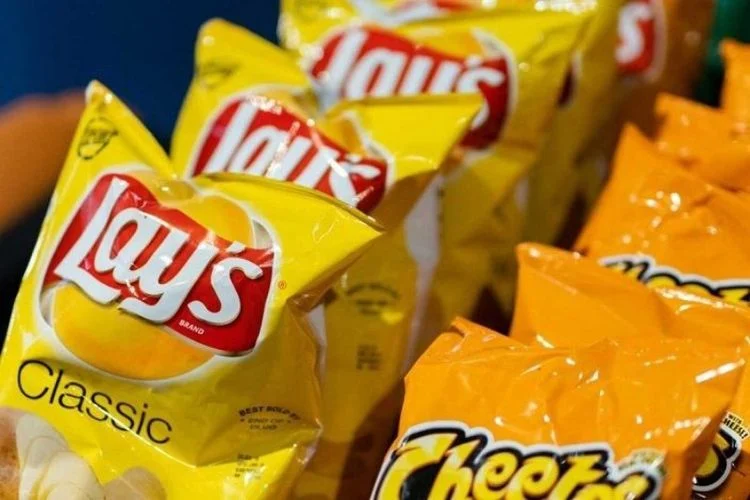
Lay’s, to be Rebranded as Clean-Label Snacks; Natural Oils, Protein Fortification on the Horizon
PepsiCo is taking a bold step toward cleaner, more natural snacking by launching new versions of Cheetos and Doritos that contain no artificial colors or flavors, in response to growing consumer demand and regulatory pressure for healthier food ingredients.
In its second-quarter earnings announcement, the global snacking and beverage giant revealed that it will expand its “better-for-you” portfolio across flagship brands like Cheetos, Doritos, Lay’s, and Tostitos. The move includes not just removing synthetic additives, but also introducing versions of products made with avocado and olive oils, and fortifying snacks with protein, fiber, and whole grains.
PepsiCo CEO Ramon Laguarta said the company will rebrand Lay’s and Tostitos to emphasize their simple ingredient list—potatoes, oil, and salt—and promote them as natural, clean-label snacks. “We’re working to elevate the real food perception of Lay’s,” Laguarta told analysts. “It’s part of our strategy to meet evolving health-conscious consumer expectations.”
The shift reflects broader industry momentum, as brands across the food sector respond to increasing scrutiny over artificial additives and seed oils. The White House’s “Make America Healthy Again” initiative, led by Health and Human Services Secretary Robert F. Kennedy Jr., has put pressure on major food companies to eliminate synthetic dyes and prioritize whole-food ingredients. Nestlé, Hershey, and Kraft Heinz have already announced similar plans.
PepsiCo said it already offers natural versions of Ruffles, Cheetos, Doritos, and Tostitos under its Simply banner. The company now plans to scale those options across its mainstream snack portfolio.
In addition to cleaning up its ingredient lists, PepsiCo will also begin incorporating natural oils like olive and avocado oil into more of its Frito-Lay and Quaker products, starting later this year and into 2026. PopCorners and select Quaker snacks will lead the rollout of protein-enriched offerings, with larger brands to follow.
“This is a journey of following the consumer,” Laguarta said. “We’re trying to be a step ahead, but not too far ahead, so that we remain relevant while still driving health-forward innovation.”
PepsiCo is also looking to bring these changes to its beverage portfolio. Laguarta confirmed the company’s entry into the “liquid protein space” and said PepsiCo is open to offering more beverages sweetened with cane sugar if consumer demand rises. The company already markets a sugar-sweetened variant of its signature cola.
This health-focused pivot signals a wider industry trend toward functional, natural ingredients that align with both consumer expectations and global nutrition goals. PepsiCo’s comprehensive approach—from snacks to beverages—aims to future-proof its products while maintaining mass-market appeal.
As regulatory and social pressure builds, PepsiCo’s latest strategy may serve as a blueprint for other multinational food companies navigating the new era of transparency, wellness, and clean-label consumerism.