

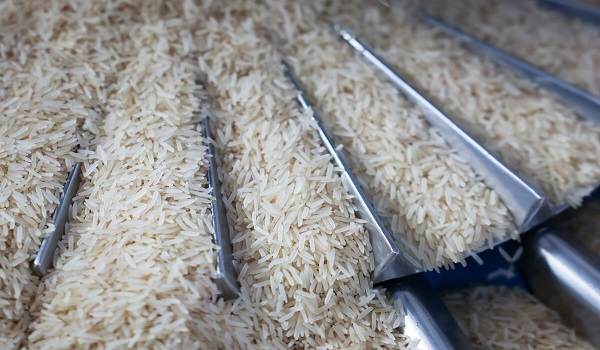
India has temporarily halted export certification for non-basmati rice shipments to Senegal after the West African nation imposed a one-month suspension on rice imports to stabilise its domestic market. The Agricultural and Processed Food Products Export Development Authority (APEDA) has stopped issuing Registration-Cum-Allocation Certificates (RCAC) for exports to Senegal until Dakar lifts its restriction.
According to APEDA’s latest advisory, the move follows information received from the Embassy of India in Senegal, trade feedback, and various press reports. During a meeting on 20 November 2025, the embassy informed APEDA that Senegal’s Ministry of Industry and Commerce had temporarily stopped issuing Import Declarations for Rice (DIPA) for a period of one month.
The policy, announced on 12 November 2025, was formally adopted at a meeting chaired by Senegal’s Market Regulation Agency (ARM). Authorities noted that the temporary import freeze is intended to reduce pressure on the domestic market and allow the clearing of unsold local stocks before new supply enters the system.
Senegal’s rice producers—particularly in the Dagana department of the Senegal River Valley—had sounded the alarm in October about nearly 195,000 tonnes of paddy and milled rice from the 2025 harvest that could remain unsold due to competition from cheaper imported varieties.
The country, which imports roughly 1.65 million metric tonnes of milled rice annually—covering about 70% of its consumption needs—typically maintains a three-month strategic reserve. However, current stocks have surged to the equivalent of six months of supply, prompting the government to intervene.
India remains one of Senegal’s principal rice suppliers. From January to September 2025, Senegal imported around 2.3 million tonnes of rice from India, underscoring the strong trade ties between both nations. The temporary import halt has already impacted Indian traders, with several exporters in Delhi reporting weakened demand and an expected redirection of shipments to alternative markets. This may put additional downward pressure on broken rice prices in the short term.
While the ban is expected to ease pressure on local Senegalese farmers and stabilise the market, analysts caution that the country’s heavy dependence on rice imports for food security is unlikely to diminish in the near future. The Senegalese government is expected to review stock levels and market conditions in December before deciding whether to lift, extend, or modify the current import restriction.