

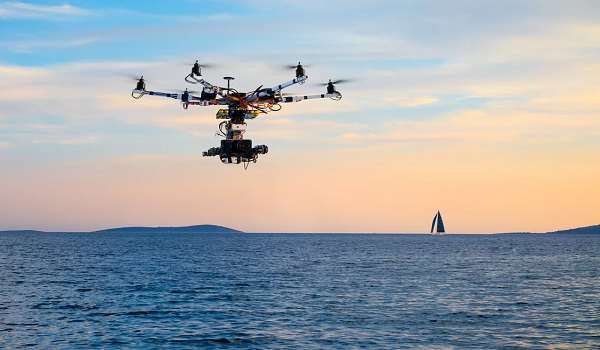
A prototype drone, currently being developed by ICAR-Central Inland Fisheries Research Institute (ICAR-CIFRI), is designed to transport up to 70 kg of fish and shrimp from production centers to markets. This initiative falls under the Pradhan Mantri Matsya Sampada Yojana (PMMSY), a flagship scheme that aims to transform the fisheries sector through technology-led interventions.
The Department of Fisheries has also established a Technical Committee to formulate Standard Operating Procedures (SoPs) for the use of drones in fisheries and aquaculture. These guidelines will help ensure safe, standardized, and efficient implementation of drone-based solutions across states.
The central sector component of PMMSY has already made provisions to extend financial support for technological innovations—including drones—through funding pilot projects, incubators, and startups. Key drone applications being explored under the scheme include:
- Automated surveillance of aquaculture farms
- Real-time stock and biomass assessment
- Environmental and disease monitoring
- Precision feeding for shrimp farms
- Sampling in hard-to-reach water bodies
Union Minister of State for Fisheries, Animal Husbandry and Dairying, Shri George Kurian, shared this information in a written reply in the Rajya Sabha on July 23.
With India being one of the top producers and exporters of shrimp globally, the introduction of drones in aquaculture promises a significant leap in efficiency, sustainability, and profitability for the sector, particularly benefiting small and medium-scale farmers operating in remote and resource-constrained areas.