

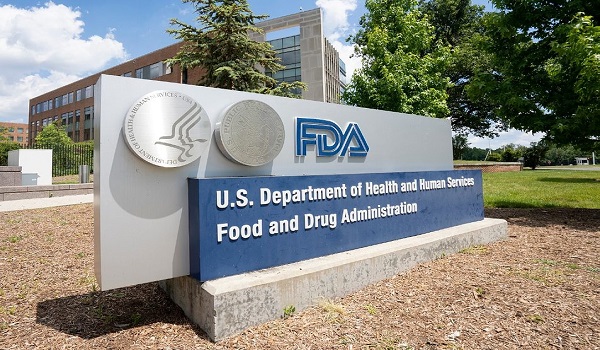
In a sweeping regulatory rollback, the U.S. Food and Drug Administration (FDA) announced it will revoke 52 standards of identity—rules that define how specific food products must be formulated and processed—calling them “obsolete and unnecessary.” The move impacts categories such as dairy, baked goods, canned fruits, and flavored extracts, and is part of a broader review of over 250 such standards.
These identity standards, originally introduced in 1939 to prevent misleading practices during the Great Depression, have been criticized in recent years for limiting innovation. For instance, rigid rules about cheese composition—such as mandatory moisture and fat content—have made it difficult for manufacturers to experiment with healthier or more sustainable formulations. A significant portion of the standards being eliminated affects the dairy segment, including traditional cheeses like Cheddar, Colby, and Monterey Jack.
Modern food labeling practices, the FDA argues, now offer sufficient transparency through ingredient lists and nutritional disclosures, reducing the need for such tightly defined production standards. FDA Commissioner Marty Makary said, “Antiquated food standards are no longer serving to protect consumers. It is common sense to revoke them.”
The agency has previously revoked standards on a smaller scale, such as for frozen cherry pie (2024) and French dressing (2022), but this is the largest overhaul to date. The FDA also issued a direct rule to eliminate 11 outdated standards covering canned fruits and vegetables that are no longer sold in U.S. stores.
In contrast, India’s FSSAI continues to enforce detailed food standards, including ingredient-specific norms for dairy, oils, and sweets, under its Food Safety and Standards Regulations (FSSR). While the FSSAI has moved toward flexibility through ingredient disclosure and front-of-pack labeling, it still maintains rigid product definitions to ensure traditional quality and prevent adulteration. The U.S. move may spark discussion on whether India’s food codes need modernization or stronger protection against misbranding.