

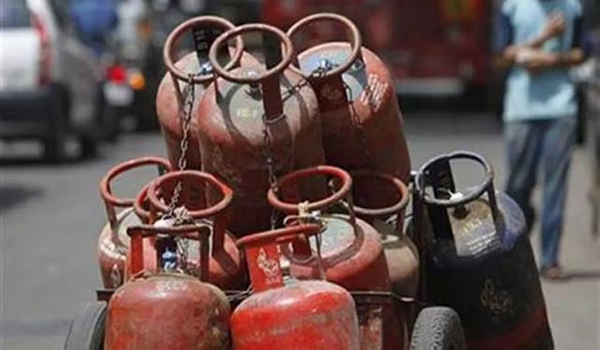
Supply disruptions linked to the ongoing conflict in West Asia could affect India’s quick service restaurant (QSR) sector, with major chains such as McDonald’s, KFC and Domino’s facing the risk of higher costs and operational challenges due to possible shortages of liquefied petroleum gas (LPG), according to a research note by JM Financial.
The brokerage said the sector could face pressure if fuel supply disruptions continue, as most organised QSR kitchens in India rely heavily on LPG for daily cooking. A prolonged shortage could force companies to absorb higher input costs, increase menu prices or scale down operations in some outlets.
JM Financial noted that about 60–65% of cooking processes in QSR chains depend on gas-based equipment such as fryers, grills and ovens. Restaurants typically maintain LPG reserves for only one to two weeks, leaving them vulnerable to sudden supply disruptions.
According to the report, even a five-day disruption in LPG availability could reduce revenue per store by around 6% and lower restaurant-level EBITDA by 14–20% in a quarter.
The risk comes as geopolitical tensions in West Asia begin to affect global energy supply chains. Large listed operators such as Westlife FoodWorld, Devyani International, Sapphire Foods India and Restaurant Brands Asia could face the biggest impact if supply tightness persists, given their extensive outlet networks and dependence on steady LPG deliveries.
Commercial LPG prices have already risen about 8% month-on-month in March 2026, increasing operating costs for restaurant chains. If the situation continues, companies may initially absorb the higher costs, but sustained pressure could eventually lead to menu price hikes.
Since India imports a significant share of its LPG from West Asia, any disruption in shipping routes or export supplies can quickly tighten domestic availability. During shortages, government policy typically prioritises household LPG consumption, leaving commercial users such as restaurants more exposed to supply cuts.