

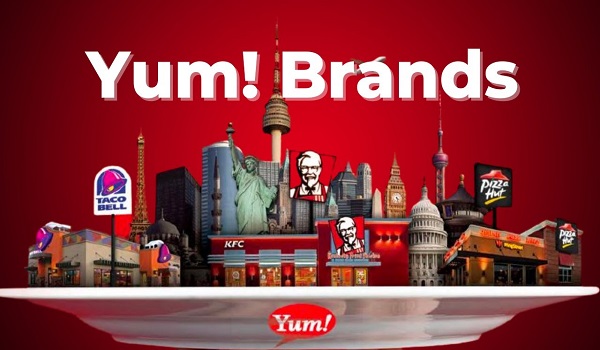
Yum! Brands Inc., the US-based parent company of KFC, Pizza Hut, and Taco Bell, is reportedly facilitating a potential merger between its two Indian franchisees—Devyani International Ltd (DIL) and Sapphire Foods India Ltd. The proposed deal, likely to be structured as a share swap, aims to create operational synergies and streamline the brand’s India operations amid a slowdown in discretionary consumption.
Sources familiar with the discussions say the plan could involve Sapphire Foods merging into DIL, with a tentative 1:3 share swap ratio—whereby Sapphire shareholders would receive one share of DIL for every three they currently hold. The merger would consolidate Yum!’s flagship QSR brands, KFC and Pizza Hut, primarily under DIL, owned by billionaire Ravi Jaipuria’s RJ Corp.
Growth Strategy Amid Sector Slowdown
The move comes as India’s quick service restaurant (QSR) sector faces headwinds from weakening consumer sentiment, rising input costs, and intense competition from hyperlocal and boutique food chains. Both DIL and Sapphire reported muted performance in FY25, reflecting sector-wide challenges.
Devyani International, which operates over 2,030 restaurants across India, Thailand, Nigeria, and Nepal, reported a widened net loss of ₹14.74 crore in Q4FY25 despite a 16% increase in revenue to ₹1,212.6 crore. Sapphire Foods, which runs 963 restaurants including KFC, Pizza Hut, and Taco Bell across India and Sri Lanka, posted a net loss of ₹3.66 crore during the same quarter on a revenue of ₹711 crore, growing 13% YoY.
Sapphire’s same-store sales remained flat for KFC and grew only 1% for Pizza Hut during the March quarter, indicating weak traction in existing outlets. Executives cited a lack of advertising investment—due to a dispute with Devyani over media spending strategies—as a key factor.
Operational Complementarity
DIL and Sapphire currently manage different regions for Yum! brands, with DIL covering North and East India and Sapphire dominating South and West India. However, there are overlapping territories in key markets such as Maharashtra, Andhra Pradesh, and Karnataka, especially across high-traffic locations like airports and malls.
Industry observers suggest the merger would allow for a unified brand strategy, reduced internal conflict, and streamlined marketing efforts. “DIL, as part of RJ Corp, stands to benefit from vertical integration with Varun Beverages—PepsiCo’s largest bottler in India—and can help Yum! scale faster through delivery, dine-in, takeaway, and food court formats,” said a source close to the talks.
Yum! Brands, which operates 61,000 restaurants across 155 countries through 1,500 franchisees, saw strong global performance in 2024 with system sales surpassing $65 billion, led by Taco Bell. In India, it now seeks to reinforce its position by consolidating its regional QSR footprint.
Private Equity Exit Opens Merger Path
Sapphire Foods, established in 2015 and backed by investors like Samara Capital, Goldman Sachs, and CX Partners, has seen most of its early private equity investors exit through public markets. As of March 2025, key shareholders include Sagista Realty Advisors, Mirae Asset Great Consumer Fund, and Franklin India Smaller Companies Fund.
While neither RJ Corp, Sapphire Foods, nor Yum! Brands officially commented on the merger talks, sources indicate the proposal could be finalized within the next two quarters. The consolidation, if approved, would mark one of the largest structural shifts in India’s QSR sector in recent years.
Meanwhile, analysts from Bernstein Research believe India’s QSR industry is poised for a moderate recovery in FY26, with consumer demand expected to pick up gradually, especially in the second half of the year. The Yum!-backed merger could be well-timed to capitalize on this expected turnaround.