

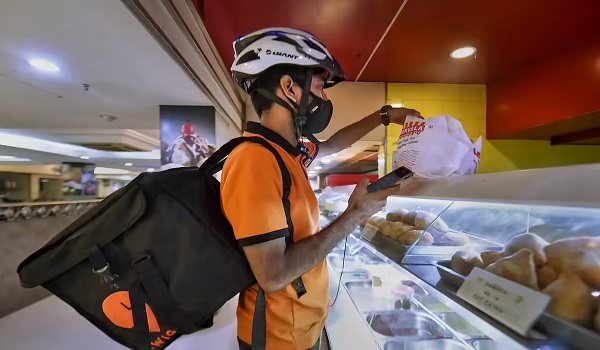
In a decisive move to safeguard consumer health, the Food Safety and Standards Authority of India (FSSAI) has directed all e-commerce platforms operating in India to enforce strict food safety and hygiene protocols across their supply chains—or face regulatory action.
During a high-level meeting held at FSSAI headquarters in New Delhi, CEO G. Kamala Vardhana Rao addressed over 70 representatives from leading e-commerce players. The gathering underscored the critical role of food safety in India’s rapidly growing digital retail sector.
“Non-compliance with food safety protocols will be taken very seriously,” the FSSAI chief stated, warning platforms that failure to implement proper hygiene and training measures could attract strict penalties.
Key Directives Issued:
- Mandatory Display of FSSAI License Numbers: All platforms must clearly show their FSSAI license/registration numbers on every invoice, receipt, and cash memo provided to consumers.
- Visibility of Food Safety Connect App: Details about the FSSAI’s consumer complaint app must be prominently displayed on all customer-facing documents.
- Warehouse Transparency: E-commerce companies must disclose full details of all storage facilities and warehouses on the FSSAI’s Food Safety Compliance System (FoSCoS) portal, including uploading regular photographic evidence.
- Date of Expiry on Consumer Interfaces: The regulator is considering mandating the display of “Date of Expiry/Use By” information at the point of purchase on digital platforms.
- Compulsory Training for Food Handlers: All personnel involved in food handling, including e-commerce staff, must undergo training under FSSAI’s Food Safety Training and Certification (FoSTaC) program. Companies are required to submit detailed training plans and implementation timelines.
The CEO reiterated the need for platforms to follow all Standard Operating Procedures (SOPs) under the Food Safety and Standards (FSS) Act. Warehouses must be properly licensed or registered, and platforms must regularly share compliance data—including details of handlers and storage units—with FSSAI.
“Food safety is a shared responsibility. Every link in the chain—from manufacturers to final-mile delivery—is accountable,” said Rao. He emphasized the need for a collaborative ecosystem that places consumer safety at its core.
This directive comes at a time when digital food retail and delivery are booming in India. With the rise of quick commerce and online grocery shopping, regulators are tightening scrutiny to ensure that modern convenience doesn’t come at the cost of public health.
By reinforcing these guidelines, FSSAI aims to bridge gaps in oversight and ensure that e-commerce platforms uphold the same safety standards as traditional retail. The agency reiterated its commitment to ensuring Indian consumers have access to safe, hygienic, and clearly labeled food—no matter how they choose to shop.
This meeting marks a pivotal step in FSSAI’s push for greater accountability and compliance within India’s evolving food distribution landscape.