

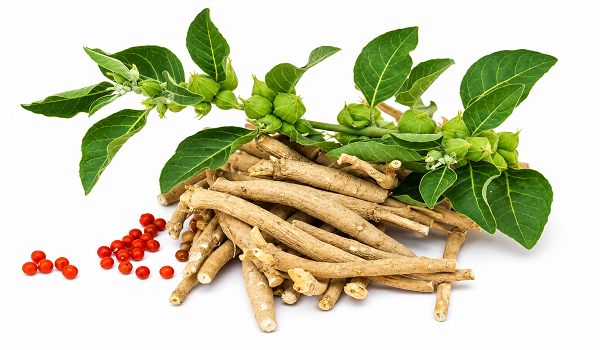
Irish nutrition and taste giant Kerry Group has launched a new science-backed platform called Safeguard Ashwagandha, aiming to counter misinformation and growing regulatory scrutiny surrounding the popular adaptogenic herb.
The online initiative serves as a centralized resource for consumers, regulators, academics, manufacturers, and industry stakeholders, offering access to scientific studies, safety analyses, global regulatory updates, and research related to ashwagandha root and leaf extracts.
According to Dr. Mukesh Summan, Kerry’s Global Director of Toxicology, the campaign comes at a crucial moment as debates around ashwagandha safety intensify across parts of Europe and other markets.
“While the scientific evidence strongly supports responsible use of ashwagandha, misinformation risks influencing regulatory decisions,” Dr. Summan stated during the launch at Vitafoods Europe 2026. He emphasized the importance of evidence-based assessments rather than policy decisions driven by isolated claims or incomplete data.
The company is also inviting ingredient suppliers and researchers across the nutraceutical industry to contribute studies and safety data to the platform, positioning the initiative as a collective effort to protect the future of the botanical category.
Ashwagandha, widely used in traditional Ayurvedic medicine for centuries, has recently faced scrutiny over possible links to liver toxicity, hormonal effects, immune responses, and reproductive concerns. Several European authorities are reviewing the ingredient’s safety profile, while India recently issued an advisory restricting the use of ashwagandha leaves in food applications due to concerns around elevated withaferin A levels.
Dr. Summan argued that the reported cases of liver injury associated with ashwagandha remain extremely limited relative to its global consumption history. He compared the situation to commonly used medicines like paracetamol, noting that regulators often rely on warning labels and dosage guidance rather than outright bans.
Kerry also highlighted its own recent pre-clinical research, which reportedly found its ashwagandha root-and-leaf blend to be safe at levels up to 19 times the standard recommended dose.
The company believes the conversation should focus on quality standards, responsible dosing, and scientifically validated safety assessments rather than broad restrictions. According to Kerry, peer-reviewed clinical trials, systematic reviews, and OECD-compliant studies overwhelmingly support ashwagandha’s safety when used appropriately.
The launch reflects the broader nutraceutical industry’s growing concern that misinformation and inconsistent regulatory interpretations could threaten one of the world’s most commercially significant botanical ingredients.