

As food companies accelerate the shift from artificial additives to natural ingredients, industry experts are warning of a parallel surge in food fraud, driven by supply shortages and mounting regulatory pressure.
Speaking at the recent Food Manufacturing Summit, experts highlighted that the rapid reformulation of products—especially the replacement of synthetic dyes with natural alternatives—has created vulnerabilities across the supply chain. With consumers increasingly demanding clean-label products and governments tightening scrutiny on artificial additives, food manufacturers are under pressure to adapt quickly.
According to industry estimates, more than 200 legislative proposals targeting food additives and dyes have emerged over the past 15 months, intensifying the urgency for reformulation. This regulatory momentum, coupled with calls from policymakers to phase out artificial dyes, has significantly increased demand for natural color solutions—outpacing supply.
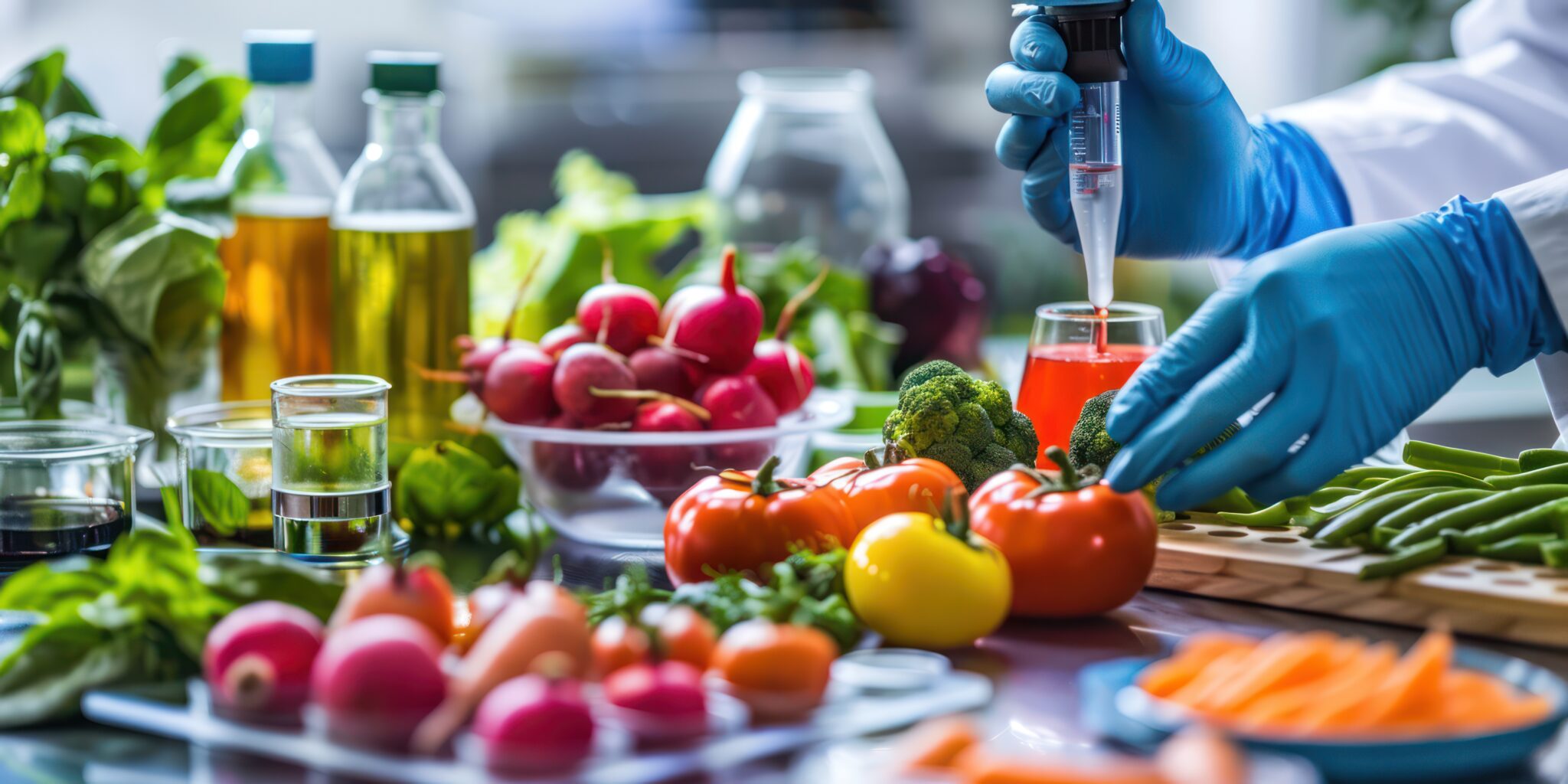
The resulting gap has opened the door to economic adulteration. Experts report a growing incidence of fraudulent practices, including the blending of synthetic and natural dyes, the addition of unauthorized colorants to spices, and the dilution of premium products such as olive oil with cheaper substitutes.
Industry leaders caution that while the transition to natural ingredients is inevitable, it comes with heightened risks. Companies are being urged to strengthen supplier verification processes and prioritize transparency across sourcing networks. Building relationships with trusted vendors and ensuring robust quality systems are now seen as critical safeguards.
Large ingredient players such as ADM are responding by investing in vertically integrated supply chains to maintain control over sourcing and production. By working closely with farmers and overseeing extraction processes, such companies aim to ensure authenticity and consistency in natural ingredients.
At the same time, regulatory ambiguity is adding another layer of complexity. The U.S. Food and Drug Administration has indicated it may not strictly enforce rules around “no artificial colors” claims when natural alternatives are used. While this may ease compliance burdens, it exposes manufacturers to potential legal challenges.
Recent litigation underscores this risk. A lawsuit filed last year alleged misleading labeling on a baking mix product that claimed to contain no artificial additives, despite including ingredients perceived by consumers as synthetic. Experts warn that even in the absence of strict regulatory enforcement, companies remain vulnerable to lawsuits and reputational damage.
As the clean-label movement gains momentum, the industry faces a delicate balancing act—meeting consumer expectations while safeguarding product integrity in an increasingly complex and strained supply environment.