

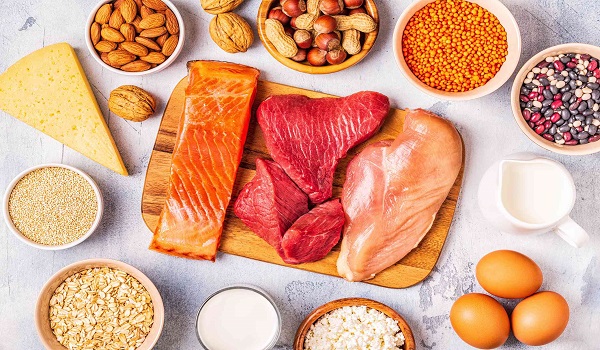
India’s fast-growing demand for protein-rich foods is creating big opportunities for food companies, but it is also bringing new challenges for the environment, public health, and supply chains.
As incomes rise and cities expand, people are eating more protein such as eggs, milk, meat, and fish. This is important for improving nutrition, especially for children and mothers. However, it is also putting pressure on the country’s food system.
Experts warn that increasing animal farming without proper controls could lead to serious problems. These include higher greenhouse gas emissions, greater use of land and water, and increased risk of diseases caused by overuse of antibiotics in animals.
Major companies like Hindustan Unilever, Tata Consumer Products, Nestlé India, and Westlife Foodworld play an important role in shaping how protein is produced and sourced. But their supply chains depend heavily on millions of small farmers and fishers, making it harder to monitor practices.
This creates issues around tracking food sources, ensuring animal welfare, and controlling antibiotic use.
A recent report, the Asia Protein Buyers 100, shows that while some companies have started improving supplier policies and traceability, there are still major gaps. Many companies do not clearly report climate risks, and most lack strong policies on animal welfare and responsible antibiotic use.
Experts say these gaps could turn into real business risks, including stricter regulations, supply disruptions, and lower investor trust.
India already faces a high level of antibiotic resistance, partly due to heavy antibiotic use in livestock. At the same time, climate change is making food production more uncertain, which could affect both supply and farmer incomes.
There are also concerns that stricter global sustainability rules could increase costs, especially for small farmers who are already under financial and environmental pressure.
Experts suggest India needs a balanced approach—a “protein transition”—that improves access to protein while making production more sustainable. This includes better farming practices, reduced antibiotic use, improved animal welfare, and stronger supply chains.
Unlike developed countries that are reducing meat consumption, India’s focus remains on increasing protein intake. However, the shift is now toward “smarter protein” that supports both nutrition and sustainability.
For large food companies, this is becoming a key business issue. Building better supply chains and adopting sustainable practices will be important for long-term growth and stability.
As demand for protein continues to rise, the future of the sector will depend on how companies and policymakers manage these challenges.