

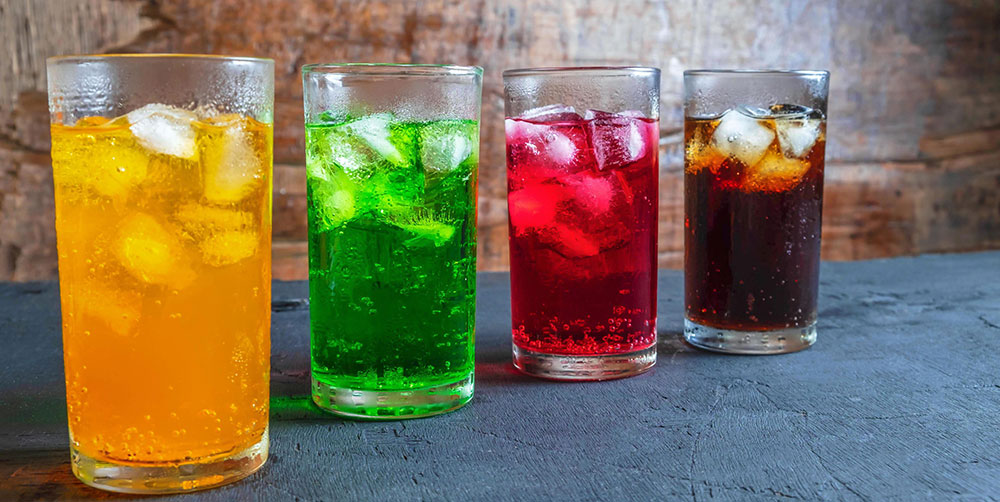
India’s soft drink market is witnessing intensifying price-based competition as regional and emerging brands rapidly gain share from global beverage majors, driven by ultra-low pricing and localized product strategies.
According to a CRISIL Ratings report, newer brands have increased their combined market share to 6–7% in the latest fiscal year, up from about 2% in FY2024, largely driven by high-volume price points of ₹10–₹20 per bottle.
These entry-level price packs have proven particularly effective in India’s impulse-driven consumption market, where affordability remains a key driver.
Regional brands are also leveraging localized taste preferences to gain ground.
“In India, taste is deeply regional and cultural. What works in one state may not work in another,” said Prabhu Gandhikumar, founder of TABP. “As a homegrown brand, we understand these nuances, which multinational companies often struggle to replicate at scale.”
Despite rising competition, the industry is expected to rebound strongly, supported by a hotter summer season—which accounts for nearly 40% of annual beverage sales—and continued expansion into underpenetrated rural and semi-urban markets.
Bottlers have expanded capacity by 30–35% over the past two years and strengthened cold-chain and distribution networks, which are expected to support double-digit volume growth, according to industry estimates.
However, profitability remains under pressure due to rising input costs, particularly packaging linked to crude oil prices. Packaging accounts for 20–22% of total costs, and margins are expected to contract by 200–250 basis points this fiscal year, analysts said.
Companies are expected to partially offset cost pressures through modest price increases and a shift toward zero-sugar variants, with operating margins projected to remain stable at 15–16%.
Larger pan-India bottlers are expected to outperform smaller players, benefiting from scale advantages, pricing power, and stronger distribution networks. Healthy cash flows are also supporting continued investment in capacity expansion, retail visibility, and infrastructure such as visi-coolers.