

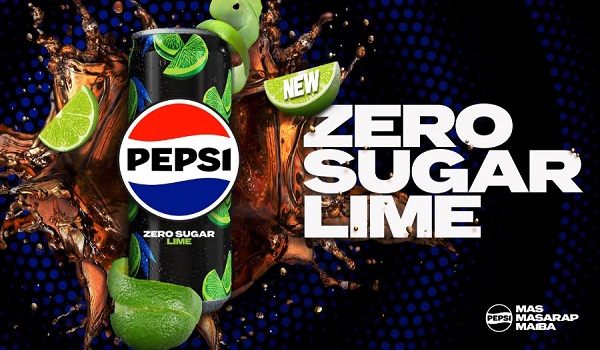
PepsiCo is accelerating its pivot towards healthier beverage options in India, with plans to transition almost its entire drinks portfolio to zero-sugar or low-calorie variants, as it sharpens focus on evolving consumer preferences and digital-led demand generation.
The company, which currently derives around 55–60% of its beverage volumes from low- or no-sugar products, aims to scale this to 90–100% over time. India and South Asia CEO Jagrut Kotecha said the transition will be gradual, with a focus on bringing consumers along in the shift toward healthier choices.
PepsiCo’s existing portfolio in this segment includes brands such as Pepsi Black, 7UP Zero Sugar, Gatorade, and its energy drink offering AdRush. The company is also strengthening its value offerings, including ₹10 packs of Nimbooz, alongside staples like Aquafina.
India has been identified as one of PepsiCo’s 13 key global “anchor markets,” expected to contribute over 85% of future growth. The company has committed an investment of ₹5,700 crore between 2025 and 2030 to expand capacity across greenfield and existing manufacturing facilities, in line with its ambition to double its business in the country.
A major pillar of this growth strategy is digital transformation. PepsiCo is increasingly leveraging consumer data through platforms such as its WhatsApp-based engagement tool “Pep Genie,” alongside insights from quick commerce and e-commerce partners. According to Kotecha, search data, social listening, and first-party consumer interactions are becoming critical in identifying demand trends and shaping product strategy.
The company is also recalibrating its marketing approach, shifting from traditional television-heavy, celebrity-led campaigns to a more balanced mix of digital and conventional media. With consumers—especially Gen Z and Gen Alpha—seeking interactive and shareable content, PepsiCo is investing in influencer-led and engagement-driven campaigns to build brand loyalty.
Kotecha noted that while India’s consumer base is often segmented by urban-rural or premium-value divides, the market is far more complex, requiring tailored strategies across demographics, including millennials and older consumers.
He also highlighted the growing importance of quick commerce in bridging the gap between aspiration and accessibility. “The challenge is unlocking availability and affordability. Companies that can align both will win,” he said.
Despite rising competition from local and digital-first brands, PepsiCo remains optimistic about India’s long-term growth potential, citing the country’s strong domestic consumption base. It also expects minimal impact from global geopolitical uncertainties.
Supporting its growth momentum, Varun Beverages, PepsiCo’s key bottling partner in India, reported a 20.1% year-on-year increase in net profit to ₹878.7 crore in the March quarter, with revenue rising 18.1% to ₹6,574.2 crore, driven by robust volume growth.
In parallel, PepsiCo is expanding its global capability centre in Hyderabad, which employs around 5,000 people, to build digital and operational capabilities for both India and international markets.